Stetho in Sevagram
Author
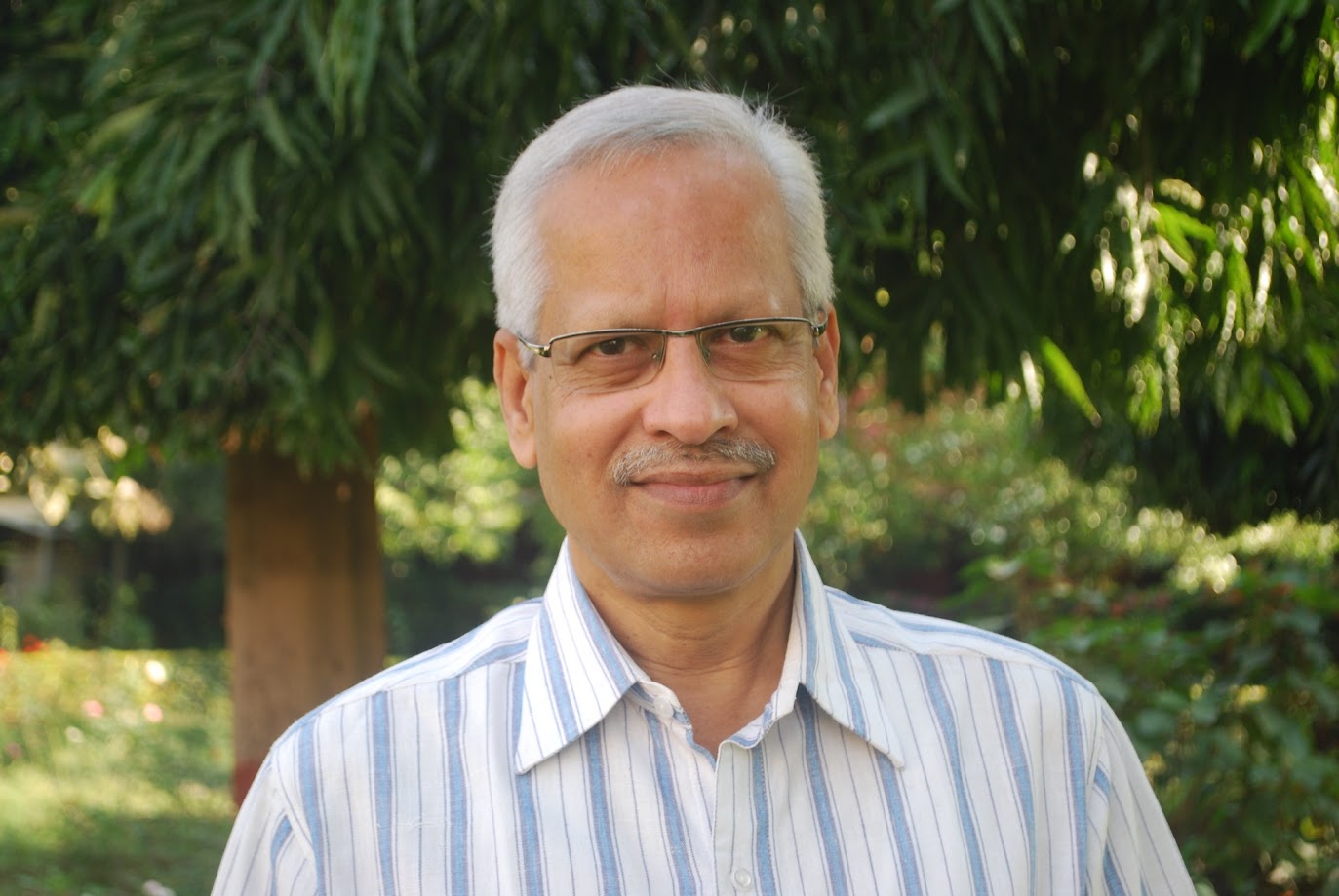
S.P. Kalantri
“Medicine is not what you do to a patient. It is what you do with them — and sometimes, simply for them.”
In the summer of 1982, a young physician arrived in Sevagram with a freshly minted MD degree and a new stethoscope. He expected to stay a year or two — to teach, to learn, and to move on. Four decades later, he is still there.
Born in Wardha in 1957 and trained in the wards of Government Medical College, Nagpur, he joined the Mahatma Gandhi Institute of Medical Sciences assuming the posting was temporary. Sevagram had other plans.
He rose to become Professor of Medicine and, eventually, Medical Superintendent of Kasturba Hospital — a thousand-bed teaching hospital he helped steer for twelve years from an office chair he never quite trusted. He questions unnecessary investigations, resists fashionable interventions, and holds that restraint is often the most honest form of care.
At forty-seven, he became a student again at UC Berkeley’s School of Public Health. That year taught him less about finding answers and more about asking better questions — a habit that has not left him since.
Outside the hospital, he cycles the dusty roads of Vidarbha at dawn, treks in the Himalayas with his family, and writes about the people who make Sevagram what it is — the ward boys, barbers, dhobis, and students who never appear in medical textbooks but are present on every page of this one.
He lives in Sevagram with his wife, Bhavana, whose quiet, persistent work helped computerise the hospital and build its information systems long before the phrase “digital transformation” became fashionable.
If a story resonated with you, I would be pleased to hear from you.