Dr. Sushila Nayar
Founder-Director, MGIMS · President, Kasturba Health Society Tenure 1964–2001 Lifespan 26 December 1914, Kunjah, West Punjab — 3 January 2001, Sevagram Education MBBS, MD (Medicine), Lady Hardinge Medical College, Delhi (1940)DrPH, Johns Hopkins University, USA (1950)
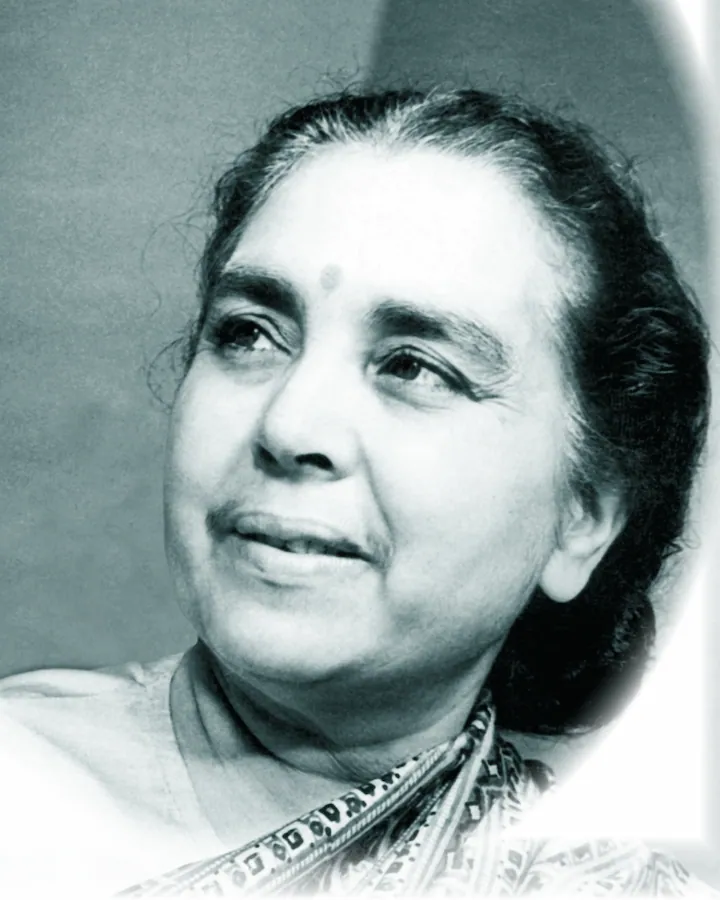
Dr Sushila Nayar (1914–2001) was the physician who turned a Gandhian village experiment into one of India’s most influential rural medical institutions. Personal doctor to Mahatma Gandhi, Union Health Minister, and founder‑director of MGIMS, she spent a lifetime proving that modern medicine and social justice could walk together.
In the winter of 1938, a twenty‑four‑year‑old woman stepped off a train at Sevagram clutching a stethoscope, a blood pressure cuff, and a single drug—reserpine. She had barely finished her MBBS; her clinical experience was thin, her confidence still tentative. Dr. B.C. Roy, personal physician to Mahatma Gandhi, had sent her to monitor the most important man in India through a dangerous spike in blood pressure—an assignment he could just as easily have given to more seasoned doctors.
Why he chose her, history does not record. But she went, taking a month’s leave from her studies in Calcutta, with no one at hand to brief her, no senior colleague to lean on, no phone line to call back if things went wrong. In that remote village, cut off from the comforts and certainties of the city, she was suddenly on her own. That month stretched into two years.
She was Sushila Nayar — doctor, freedom fighter, cabinet minister, institution builder. She would return to Sevagram again and again across six decades, drawn back each time by the same conviction: that medicine’s truest work happened not in city hospitals but in villages, not in lecture theatres but in the houses of the poor. When she died on January 3, 2001, the day after her 86th birthday, she had spent the better part of her life making that conviction into brick, mortar, and a living institution.
Kunjah to Calcutta
Sushila was born on December 26, 1914, in Kunjah, a small town in the Gujarat district of West Punjab — a place now part of Pakistan. Her father was a judge in the Punjab Civil Service. Her brother Pyarelal, fifteen years her senior, would become Gandhi’s personal secretary, the closest of confidants, the man who would spend his life recording the Mahatma’s words. It was through Pyarelal that Sushila’s path first crossed Gandhi’s — briefly, when she was six years old, during his Punjab tour after the launch of the Non-Cooperation Movement in 1920.
She came to medicine almost by accident. On a childhood train journey, a lady doctor asked what she wanted to be. Sushila answered carelessly, the way children do: a doctor. The family laughed at the innocent remark. Then she went and became one.
She completed her schooling in Lahore, enrolled at Lahore College for Women, and eventually made her way to Lady Hardinge Medical College in Delhi — the institution whose foundation stone had been laid in 1914, the very year of her birth. She graduated in 1936. She was twenty-two.
Sevagram: The First Encounter
After graduation, she joined the All-India Institute of Hygiene and Public Health in Calcutta for further studies. It was there that Dr. B.C. Roy found her and sent her to Sevagram to care for Gandhi.
Wardha in those years was plagued by malaria. Every monsoon, fevers swept through households, through the ashram, through the surrounding villages. Temperatures climbed past 102 degrees. Patients needed a week of careful nursing before they could stand. Natural treatments were tried — mud packings on the forehead and abdomen, enemas — alongside whatever medicines she had brought. She worked alongside Prabhakarji, an old ashramite who went about in a short dhoti and cared for patients with the quiet devotion of someone who had chosen simplicity as a philosophy. Together, they set up a small dispensary in one of the ashram’s rooms: a microscope, disinfectants, a few medicines, a willingness to learn.
Patients came. More followed.
Then cholera broke out in the surrounding villages. Gandhi told her simply: treat the village as the hospital and the houses as the wards. She was twenty-five, alone, without colleagues to consult or seniors to guide her. The experience taught her something that no textbook had: that curative medicine was the door through which you earned a village’s trust, and that once you had their trust, you could speak to them about prevention. The two could not be separated. It was a lesson she would spend the rest of her life teaching others.
She remained in Sevagram for nearly two years before returning to Lady Hardinge as a registrar to pursue postgraduate studies. In 1942, she completed her MD in Medicine.
The Aga Khan Palace
On August 9, 1942, Sushila Nayar was arrested in Bombay. Three days later, she was transported with Gandhi, Kasturba, and other Congress leaders to the Aga Khan Palace in Pune. She would spend twenty-one months there.
In the palace, she was doctor to everyone — to Gandhi, to Kasturba, to Mahadev Desai who died of a heart attack on August 15, 1942, just days after their arrival. She attended to sixty prisoners from Yerwada jail who tended the palace gardens. She treated the police officers standing guard. She nursed Kasturba through the bronchitis that worsened through that long detention until, on February 22, 1944, it killed her. She stayed with Gandhi through severe malaria that left his kidneys damaged.
When they were finally released on May 6, 1944, Sushila emerged from the palace with something that could not be taught in any institution: the knowledge of how human beings behave under extreme conditions, what they need from a doctor, and what a doctor must be willing to give.
America, and the Long Way Back
After Gandhi’s assassination on January 30, 1948, Sushila did what she had always done when grief threatened paralysis — she went back to work. A WHO scholarship took her to the Johns Hopkins School of Hygiene and Public Health in Baltimore. She had planned to specialize in cardiology. Her professors persuaded her otherwise: India needed public health specialists, not more cardiologists. She stayed on, completing a master’s degree and then a doctorate.
When her funds ran out in the final months, providence intervened in a characteristically unlikely form. The Quakers, moved by her dedication, invited her on a speaking tour across the United States. For two and a half months she traveled the length of the country, speaking about Gandhi, about India, about what she had witnessed. The honorarium she received — perhaps five hundred dollars, perhaps a thousand, she was never quite sure — was enough to complete her studies, visit Europe, and return home.
She arrived back in India in 1950 ready to rebuild Kasturba Hospital, the small institution she had helped establish in Sevagram. Instead, she found that those managing the hospital had quietly accepted her resignation — a resignation she had never submitted. The mystery was never resolved. She accepted the decision without bitterness. “Bapu had taught us,” she said, “that the field of service is as large as the Earth itself, and that it is not necessary to rub shoulders.”
She took up the post of Chief Medical Officer at Badshah Khan Hospital near Faridabad, worked in surrounding villages, started a tuberculosis wing in tents. Then came politics. She won a Delhi assembly seat in 1952, became Delhi’s Health Minister, entered Parliament in 1957, and from 1962 to 1967 served as India’s Union Minister for Health — one of the few women in Nehru’s cabinet, responsible for the health of four hundred million people.
The Return
In 1964, two visitors arrived at her Delhi office and refused to leave. Manimala Chaudhary, then matron of Kasturba Hospital, and Dr. Anant Ranade, the hospital’s young medical officer, had traveled from Sevagram with a specific purpose. Gandhi Smarak Nidhi, which had been managing Kasturba Hospital, wanted to hand it over to the government. The workers did not want that. They wanted Sushila Nayar.
“You must not refuse to help,” they told her.
She didn’t. On September 11, 1964, the Kasturba Health Society was registered in Nagpur, with Sushila Nayar as its president. The founding trustees were a small, faithful group: Manimala Chaudhary, Anant Ranade, Nalinbhai Mehta, Raghunath Dhotre, Shriman Narayan and Secretary Gandhi Smarak Nidhi who had kept the hospital alive through years of uncertainty. The Gandhi Smarak Nidhi transferred the hospital’s management and an endowment of ten lakh rupees to the new society.
The first rural medical college in India was beginning to take shape on the horizon.
Building MGIMS
The idea had been forming for years. As Health Minister, she had confronted an arithmetic of failure: five thousand primary health centres across India sat without doctors, while ten thousand new graduates emerged from medical colleges every year. The graduates would not go to villages. They had been trained in cities, for cities. What if, she reasoned, you trained them in a village from the start — in the dust and heat and reality of rural India?
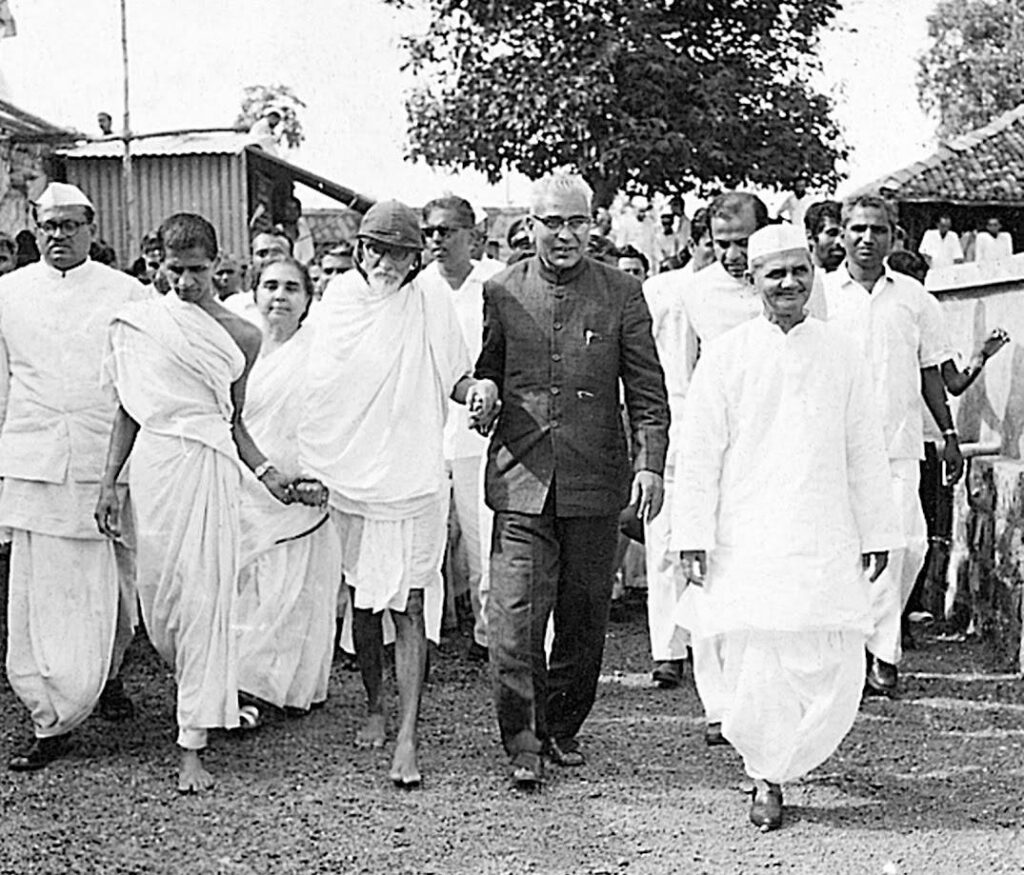
Prime Minister Lal Bahadur Shastri heard her out in 1965 and agreed. Chief Minister Vasantrao Naik agreed. They visited Sevagram and approved the site. Then Shastri died. Naik lost power. The project stalled.
She persisted. For three years she navigated ministries, state governments, and funding committees. On August 8, 1968, Deputy Prime Minister Morarji Desai convened a meeting that finally produced a formula: fifty percent of costs from the central government, twenty-five percent from Maharashtra, twenty-five percent from the Kasturba Health Society. Her share came to one crore rupees. She had no idea where it would come from.
An old ashramite named Anant Ram laughed when she worried aloud one evening. Upar Wala deta hai to chappar phad ke deta hai, he said. God gives, and when He gives, He breaks through the roof.
The next morning, a health ministry official told her about a USAID fund looking to support developmental projects in India. Too much of the money was going to Christian organisations, he noted. Why not apply? She applied for two crores, expecting to receive one. They sanctioned two.
On August 12, 1969 — Gandhi’s centenary year — the first batch of sixty students was admitted to the Mahatma Gandhi Institute of Medical Sciences, Sevagram. The old Kasturba Hospital, founded in 1945, its walls repaired and rooms repurposed, became the heart of the new institution. The GD Birla guest house that had once hosted dignitaries now contained the dissection hall, the laboratories, the labour room, the operation theatre, and the library, all within its modest walls.
There was resistance from the village. Locals objected to dissecting frogs in Gandhi’s Sevagram. Vinoba Bhave, who lived at Pavnar nearby, stepped in and gently explained that if this was to be Gandhi’s medical college, it must have everything modern medicine required. The dissections continued.
The Institution She Built
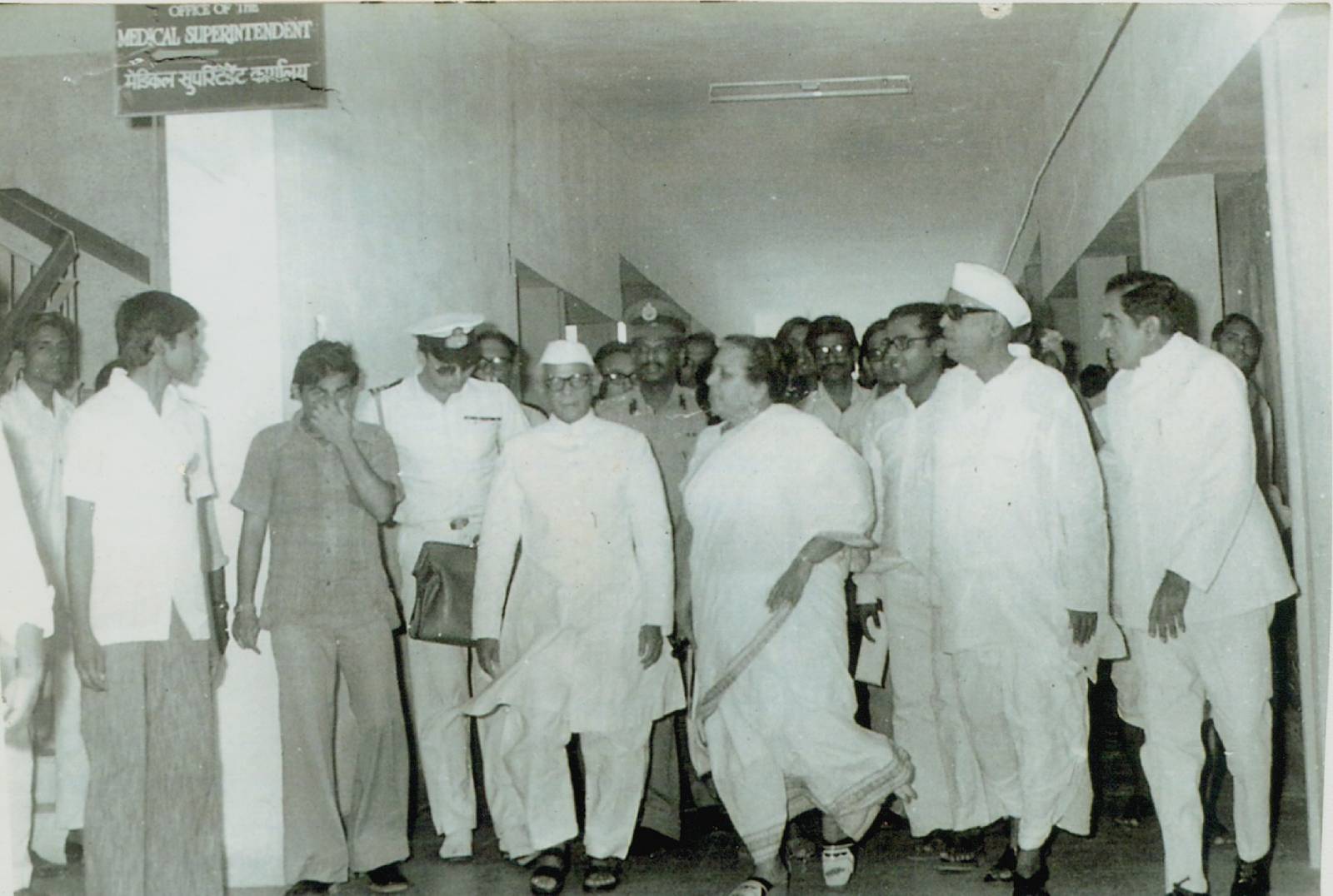
She recruited faculty with the same directness she applied to everything. Using her connections at AIIMS and PGI Chandigarh, she invited distinguished physicians to visit Sevagram and then persuaded some to stay. She secured deputation of faculty from Nagpur’s Government Medical College — Dr. ML Sharma, Dr. RV Agrawal, Dr. K.N. Ingle, Dr. MD Khapre, Dr. GM Indurkar among them. On a train journey back from Delhi, she encountered Professor PS Vaishwanar, head of Physiology at Government Medical College Nagpur, and recruited his help before they reached their destination.
She brought faculty from across the country — north and south, east and west — deliberately, insisting that MGIMS would transcend barriers of caste, language, and community. The early salaries were modest, lower than government medical colleges, and it took years to bring them to parity. People came anyway.
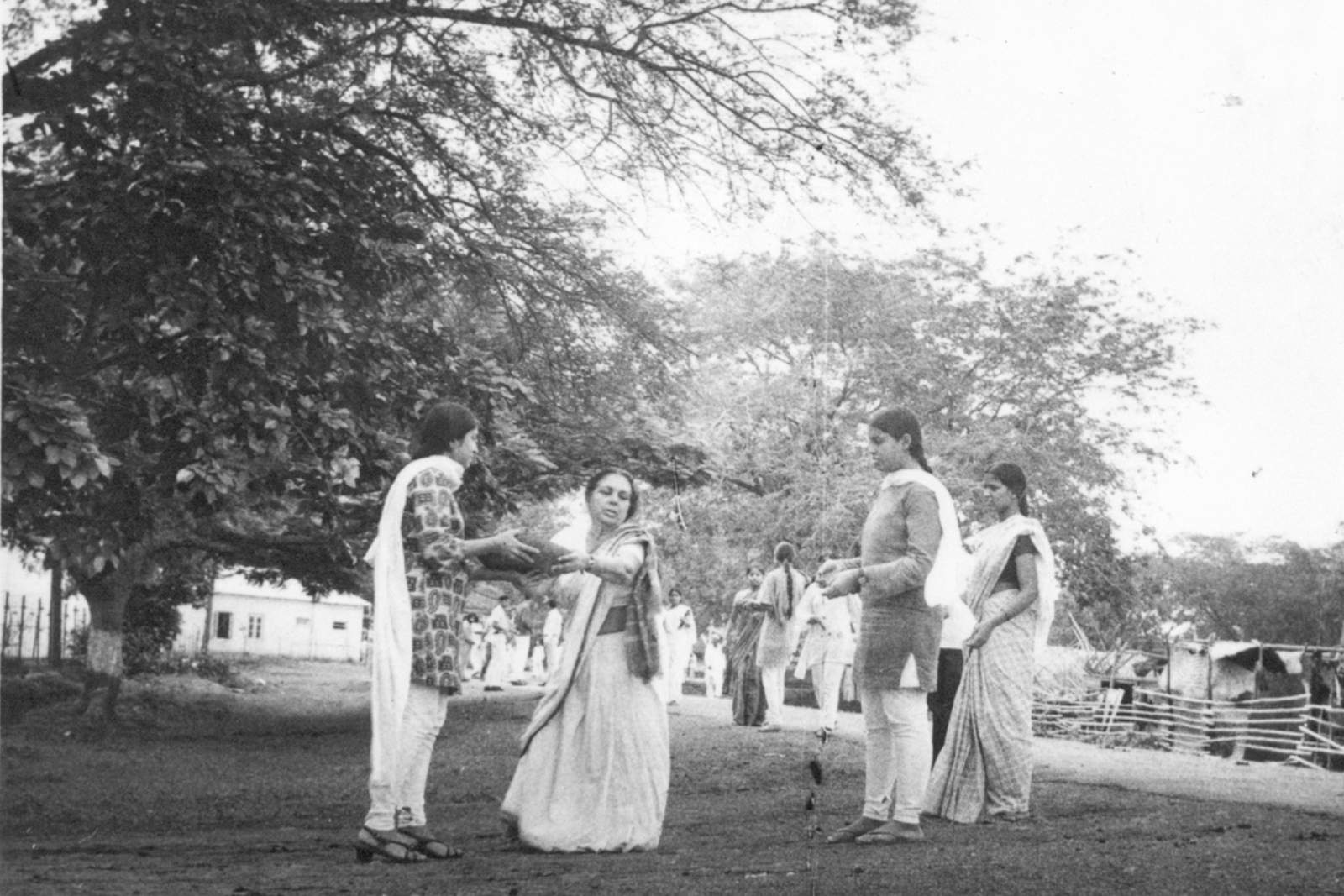
The institution she designed reflected everything she had learned since that first year in Sevagram. Every student spent two weeks in Gandhi’s Ashram after admission — learning to live simply, to work with their hands, to know the village before they knew the hospital. Community medicine was renamed from Preventive and Social Medicine, not merely as a semantic change but as a philosophical one: the community was not a subject, it was the patient. Health insurance, first collected in jowar grain from bullock carts traveling village lanes, was formalised into a scheme that covered thousands of rural families for an annual premium that began at six rupees.
She required graduates to serve two years in villages before qualifying for postgraduate studies at MGIMS. She prohibited meat on campus. She attended evening prayers and expected others to. She wore khadi.
Students sometimes found her code difficult. They appreciated the orientation camps and village postings but struggled with the khadi, the shramdan, the prayers. She remained unmoved. Her consistency between belief and action was, those who worked with her agreed, without parallel.
The Final Years
In 1995, she suffered a myocardial infarction. Congestive heart failure and osteoarthritis followed, severely limiting her mobility. Most people would have withdrawn. She did not. She continued working, continued thinking, continued implementing. At eighty-six, she accepted the chancellorship of Gujarat Vidyapeeth and promptly set about resolving the problems that had paralysed the institution.
She was deeply influenced by Gandhi’s enumeration of seven deadly sins — commerce without ethics, pleasure without conscience, politics without principle, knowledge without character, science without humanity, wealth without work, worship without sacrifice. She did not cite them as abstractions. She used them as a diagnostic tool, holding institutions and individuals up to each one in turn.
She was also a gifted writer. She completed several volumes of the unfinished biography of Mahatma Gandhi that her brother Pyarelal had left incomplete. Her own book on Gandhi’s imprisonment remains a precise and moving account. Those who heard her speak remembered a voice they called majestic — warm, authoritative, lit by a natural wit that made even difficult truths easier to receive.
Her relationship with Indira Gandhi, once close as sisters, fractured irreparably over the political manoeuvres around the 1969 presidential election. She never reconciled herself to it. She was capable of absolute loyalty and, when she felt that loyalty betrayed, absolute distance.
She endured five years after her heart attack, dying on January 3, 2001—just a week after her 86th birthday—at Prerna Kutir, her Sevagram home, encircled by those she had devoted her life to. As former Union Health Minister and founder-director of a medical college, she could have summoned the nation’s top cardiologists from AIIMS, PGI, or elite corporate sanctuaries. Yet she entrusted herself wholly to her Sevagram colleagues, heeding only Dr. A.P. Jain—a Professor of Medicine, not a specialist—for those years, without a whisper of doubt or second opinion. Decades before “palliative care” entered the medical lexicon, she embraced death with profound dignity: no ICU’s sterile chill, but the warmth of home and loved ones. In her final breath, not a millimeter divided her convictions from her life.
The institution she founded now serves a thousand villages, trains hundreds of doctors each year, and carries her name in everything it does — in its rural orientation, its community health programme, its insurance scheme, its insistence that medicine is not merely a profession but a form of service. She did not build MGIMS as a monument to Gandhi. She built it as a continuation of his work, the most durable kind of memorial: one that keeps doing things.
Mentored Students (MD/MS)
A Study of post vaccination tuberculin reactions in relation to nutritional status in young children Pujai village
A study of Frontline workers and health cooperative in health delivery.
Weight gain in pregnancy
Nutritional Status of Primary School Children
Prevalence of pulmonary tuberculosis in the rural area around Sevagram
Prevalence of ocular morbidity in preschool and school going children around Sevagram
Measurement of clinical bacteriological response of leprosy patients to multidrug regimen in Wardha district
A study and evaluation of the existing pattern of health care delivery system in 3 representative villages of the primary health centre Talegaon (taluka) in Wardha district
Tuberculosis in nursing students of Kasturba Nursing School
An epidemiological study of endemic goiter in district Wardha
Epidemiologic study of deformities in leprosy in around Sevagram rural area
Assessment of Nutritional Status of Preschool Children
Epidemiology of respiratory tract infections in symptomatic suspected of pulmonary TB In urban rural area in Wardha
Study of medico social problems of elderly old people residing in a rural area of Wardha district
Prospective study of neurological deformities in leprosy with special reference to drugs their neurotoxicity
An epidemiologic study of defaulters among the short term intermittent chemotherapy of sputum positive cases of pulmonary tuberculosis in Wardha district
Prevalence of anemia of pregnancy role of iron folic acid as a prophylactic measures
Study of the determinants of birthweight in rural semi urban communities
An epidemiological study of pediatric dermatoses ( 0 -14 yrs) in a rural community
An epidemiological study of orodental diseases among school children in rural area of Wardha districts
Determination of fetal birth weight by ultrasound and its correlations with actual birth weight
An epidemiological study of xerophthalmia in preschool children in rural area Wardha dist.
A Study of Ocular Morbidity in the Elderly Population in Rural Areas Of Wardha District
Study of various parameters of water analysis in and around Sevagram Wardha
Knowledge, attitudes practice of breastfeeding in rural community
Study of health status of employees of KHS students of MGIMS Sevagram
Longitudinal study of acute respiratory infections in rural area among under 5 children
A descriptive study of Orthopaedics problems in rural adult population
Study of effect of maternal health on birth weight health of infant
An epidemiological study of low birth weight
Key Milestones
| 1914 | Born, 26 December, Kunjah, West Punjab |
| 1936 | Graduated MBBS, Lady Hardinge Medical College, Delhi |
| 1938 | Arrived Sevagram — sent by Dr. B.C. Roy to care for Gandhi, aged twenty-four |
| 1942 | Completed MD in Medicine, Lady Hardinge Medical College |
| 1942 | Arrested, 9 August — imprisoned at Aga Khan Palace, Pune |
| 1944 | Released, 6 May — after twenty-one months |
| 1948 | WHO scholarship — Johns Hopkins School of Hygiene and Public Health, Baltimore |
| 1950 | Returned to India with DrPH from Johns Hopkins |
| 1952 | Elected to Delhi Legislative Assembly |
| 1957 | Elected to Parliament |
| 1962 | Appointed Union Minister for Health, Government of India |
| 1964 | Kasturba Health Society registered, 11 September, Nagpur |
| 1969 | MGIMS admitted its first batch of fifty students, 12 August |
| 1995 | Suffered myocardial infarction — continued working |
| 2001 | Died, 3 January, Prerna Kutir, Sevagram — aged 86 |