Dr. Sudershan Kumar Dhawan
Associate Professor of Ophthalmology · MGIMS Tenure 1972 – 1977 Born 2 November 1943, Sarai Amanat Khan, near Amritsar Education MBBS, Medical College Amritsar (1966)MD Ophthalmology, PGI Chandigarh (1969)
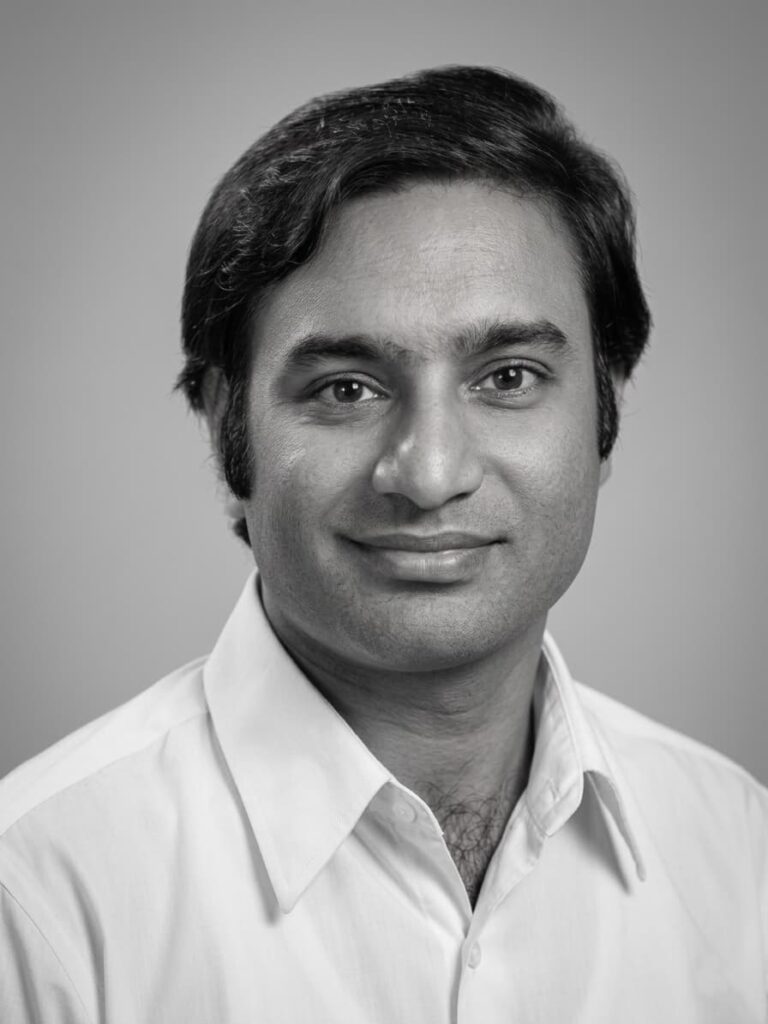
Associate Professor of Ophthalmology · Six Years at Sevagram · The Lens Through Which Students Learned to See
The Formative Years: Discipline Tempered by Grace
A life in medicine is often defined by the specific lens through which a physician views the world and the people within it. For Dr. Sudershan Kumar Dhawan, that lens was crafted early, polished by a heritage of duty, and focused sharply on the margins of society where care was needed most.
Born on November 2, 1943, in Sarai Amanat Khan—a historic village situated twenty-nine kilometers southwest of Amritsar—Sudershan entered a family deeply rooted in the Khatri tradition of service. It was a lineage where public duty and administration went hand in hand. His father, Shri Hukam Chand Dhawan, served as the Deputy Director of Health Services in Haryana. Shri Hukam Chand was a man of unshakeable discipline, casting a long, respectable shadow over his household in Chandigarh. Yet, he managed to foster an atmosphere where strict order was beautifully tempered by grace and intellectual curiosity.
Young Sudershan inherited this foundational resolve, but he also brought his own distinct spark to the family dynamic. It was the kind of vibrant, mischievous energy visible at the corner of an eye just before a smile breaks—a warmth that would later become his hallmark in hospital wards and remote village camps alike. He completed his foundational schooling in the disciplined environs of Ferozepur Cantt and his intermediate years in Hoshiarpur, gradually building the academic rigor required for the medical profession. He subsequently entered the prestigious Medical College in Amritsar, graduating with his MBBS degree in 1966, stepping into a newly independent India that desperately needed skilled clinicians.
Chandigarh and the PGI Crucible
Driven by a desire to specialize and refine his surgical skills, Dr. Dhawan entered the Postgraduate Institute of Medical Education and Research (PGI) in Chandigarh to pursue his MD in Ophthalmology. There, he trained under the watchful eye of Dr. R.S. Gupta, a mentor who demanded excellence. Dr. Dhawan’s thesis, which meticulously examined the complexities of glaucoma surgery, set the stage for a career defined by precision and sight restoration.
It was during his grueling residency at PGI that the defining ethos of his career began to take shape. He did not confine his learning to the sterile, well-lit corridors of the premier institute. Instead, he traveled extensively around the peripheries of Chandigarh, conducting population screening for blinding eye disorders. This was the birth of his outreach instinct—an irrepressible drive to take medicine to the patient rather than waiting for the patient to reach the hospital. It was a philosophy that would later propel him into the deepest, dustiest corners of Vidarbha, and one that would never leave him across the decades and continents that followed.
Crucially, PGI was also where the most important partnership of his life began. It was there he met Dr. Chanchal. Originally from Shimla, she had studied in Patiala and carried herself with the unshakable calm of someone who knew precisely who she was and what she valued. Where he was dynamic and expressive, she was steady and serene. They recognized in each other a shared dedication to their craft and a complementary spirit. They were married in 1970, sealing a partnership that would serve as the bedrock of their personal and professional lives. Two years later, fueled by a desire to serve where they were needed most, the young couple left the comforts of Chandigarh for a remote village in central India.
Sevagram: The Village and What They Found
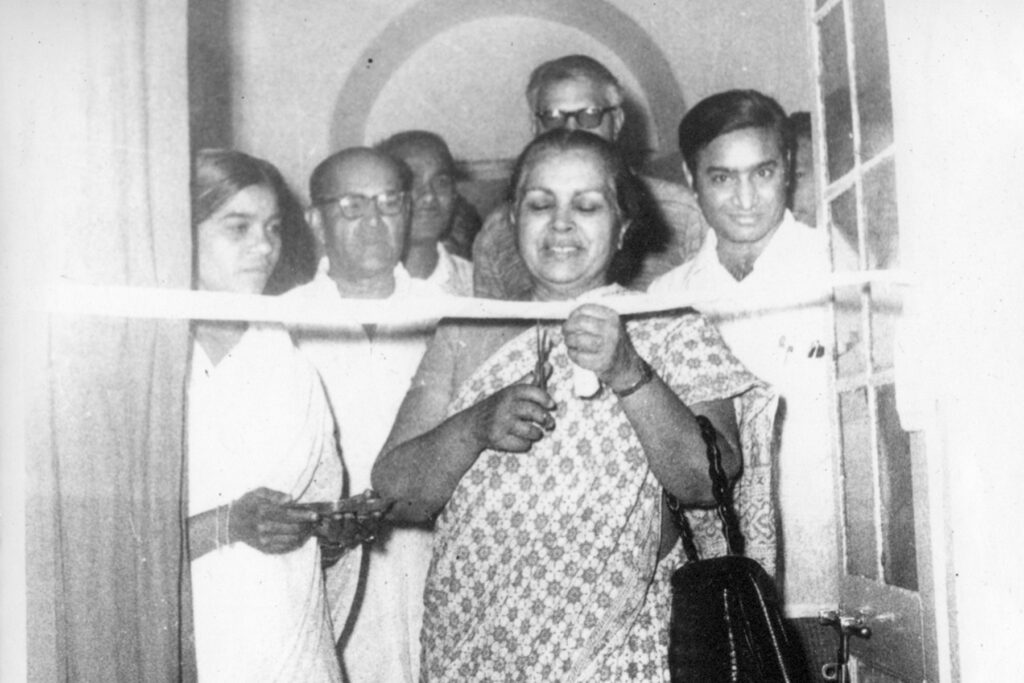
When the Dhawans arrived at the Mahatma Gandhi Institute of Medical Sciences (MGIMS) in Sevagram in January 1972, the institution was a mere three years old. It was a fledgling medical college set in a profoundly rural landscape, where the dust of the plains met the towering ideals of its founders. At that time, its Gandhian values were its most developed infrastructure; physical resources were scarce, and the challenges of rural healthcare were monumental.
Upon arrival, they were introduced to Dr. Anant Ranade, an Ayurved Visharad. Though he lacked a modern allopathic medical degree, Dr. Ranade was a local legend who had single-handedly restored sight to thousands of villagers through makeshift eye camps across Maharashtra. His reputation, built entirely through relentless clinical skill and deep compassion, humbled the highly trained new arrivals immediately. It was a profound lesson in the realities of rural medicine: community trust and practical outcomes often mattered more than formal pedigrees.
The transition to this austere environment was softened by the immense warmth and visionary leadership of Principal I.D. Singh and the formidable Dr. Sushila Nayar. Under their guidance, the village slowly ceased to feel like a remote exile and transformed into a deeply cherished home. Together, Dr. Sudershan and Dr. Chanchal Dhawan took on the Herculean task of building the ophthalmology department from the ground up, shaping both its clinical protocols and its academic curriculum during its most formative years.
The Camp Curriculum and Healing in the Hinterlands
The Dhawans quickly realized that in a place like Sevagram, the hospital could not be the sole locus of care. They took the ophthalmic department to the people, organizing and executing expansive eye camps in the most remote, underserved corners of the Vidarbha region. This included venturing into dense, forested areas troubled by Naxalite insurgency, such as Gadchiroli, Bhamragarh, and Sironcha.
These expeditions were not without significant risk, requiring delicate navigation of both geographical isolation and regional volatility. Dr. Dhawan personally led teams of young registrars, including Dr. Sanjay Gadre and Dr. D.P. Singh, venturing into the hinterlands. He carried the dual burden of ensuring the absolute safety of his team while guaranteeing the surgical success of their mission. Under his leadership, these grueling rural camps were never treated as mere supplementary activities or extracurricular charity; they were integrated directly into the postgraduate training. The camps were the curriculum, offering the most effective, hands-on delivery of medical education while providing miraculous, life-changing interventions for tribal populations who had been blind for years.
The Teacher Who Corrected Without Crushing
As an educator, Dr. Dhawan was a force of nature. His theory lectures were not dry recitations of medical textbooks; they were captivating performances. He animated his teachings, texturing them with real, complex cases drawn from the wards, and laced his delivery with a sparkling, dry wit that kept even the most exhausted, sleep-deprived residents entirely attentive.
However, his true mastery as an educator was revealed in the operating theatre. He believed in building the surgeon’s hand alongside the physician’s mind. His philosophy was clear and methodical: “Observe first. Assist next. Then do it yourself.” Surgery, especially ophthalmic surgery in that era, was an incredibly tense endeavor, but students universally found his presence beside them at the operating table more reassuring than intimidating.
When a treacherous retinal detachment presented itself, he did not panic or take over abruptly; he broke the procedure down for his students like a logical puzzle. When a resident struggled with a delicate corneal suture, he gently guided their trembling hands until the microscopic stitch settled flawlessly, like silk. He possessed the rare, vital ability to correct a student’s mistake without crushing their spirit—the hallmark of a master teacher who understood that a young surgeon’s confidence is itself a critical clinical instrument.
The Blocked Promotion and the Pivot to Pune
Despite their monumental contributions to building the department, the postgraduate program they had envisioned for Sevagram encountered insurmountable bureaucratic hurdles. Dr. L.P. Agarwal, a doyen of ophthalmology at AIIMS and an advisor to Dr. Nayar, strictly adhered to rigid academic guidelines and refused to approve Dr. Dhawan’s promotion to Professor. The rationale was purely technical: the position required more formal years in a recognized teaching hospital than Dr. Dhawan had accumulated on paper, entirely discounting the massive, untraditional clinical volume he had managed in the rural camps.
It was a deeply frustrating administrative roadblock, but serendipity intervened. The Government of Maharashtra, seeking to modernize its medical education system, advertised a large number of faculty posts and deliberately looked beyond the usual red tape to find proven clinical leaders. Dr. Dhawan applied, and his undeniable track record spoke for itself. He was selected.
In 1977, leaving behind a campus that had given them six years of foundational, life-altering work, he and Dr. Chanchal packed their bags and moved to Pune. He was appointed as Professor and Head of Ophthalmology at B.J. Medical College, with Dr. Chanchal joining as an Associate Professor. Their arrival marked a historic shift for the institution, as they were the very first full-time staff members appointed to replace the outdated honorary system, bringing a new era of academic rigor and full-time dedication to the department.
The Nagpur Crisis and the Restoration of Light
Their tenure in Pune was relatively brief before duty called them into the center of a profound medical crisis. In January 1981, both Dr. Sudershan and Dr. Chanchal Dhawan were urgently transferred to Government Medical College (GMC) in Nagpur. The institution was reeling from a devastating and highly publicized tragedy: an unfortunate incident in which fourteen patients had irreversibly lost their eyesight following botched cataract surgeries. The catastrophe had resulted in the immediate suspension of all three existing unit heads, creating a massive vacuum of leadership, skill, and—most importantly—public trust.
The Dhawans stepped into this volatile, tense environment with characteristic resolve. They knew that trust could not be rebuilt through administrative memos; it had to be earned back, one successful surgery at a time, directly in the community. Operating under the National Programme for Control of Blindness, they secured a mobile ophthalmic unit from the Government of India.
Over the next five years, they launched a breathtakingly ambitious campaign of outreach across the most isolated areas of the state. The sheer volume of their work was staggering: they organized and conducted an average of 370 eye camps per year. These camps not only restored sight to thousands of marginalized citizens, effectively healing the fractured relationship between the government hospital and the public, but they also served as an unparalleled, intensive training platform for a new generation of postgraduate students. Under Dr. Dhawan’s leadership, the unit’s clinical performance was adjudged the best in the entire state of Maharashtra for five consecutive years. In recognition of this extraordinary, sustained community service, the Government of Maharashtra honored Dr. Dhawan with the prestigious “Best Surgeon” award for four consecutive years.
The Dual Persona: Structure and Spontaneity
During his years in Nagpur, Dr. Dhawan became an iconic figure, remembered as much for his distinct style as his surgical brilliance. In the sterile corridors and bustling Eye OPD of GMC Nagpur, he was always impeccably turned out. He defied the drab aesthetic of the era, wearing vividly colored T-shirts paired with sharply tailored jeans, his shoes polished to a mirror finish. He could often be seen steering his pristine white Ambassador car with one hand, waving familiar, cheerful greetings with the other.
Inside the hospital walls, however, he was an uncompromising disciplinarian. Protocols were sacred, appointments were rigidly expected, and junior doctors knew that doors were to be knocked upon before entering. Yet, the moment he stepped out of the city and into the dust of the village camps, he shed all formality. In the rural hinterlands, he was deeply egalitarian—sitting on the floor to share simple meals with the locals, exchanging jokes in the vernacular, and casually borrowing music cassettes from his students to play during long, bumpy jeep rides. He understood that structure and spontaneity served vastly different purposes, and he possessed the rare emotional intelligence to know exactly which approach each situation required.
The Riyadh Decades and the Global Ambassador
Having conquered the challenges of rural and urban Indian healthcare, the Dhawans embarked on an entirely new chapter in 1985, moving to Riyadh, Saudi Arabia. What was perhaps initially viewed as a temporary international stint evolved into a monumental thirty-seven-year tenure at the National Hospital in Riyadh. This span of continuous professional service in a single overseas institution is longer than most medical careers in their entirety.
Throughout his nearly four decades in the Middle East, Dr. Dhawan endeavored to uphold the absolute highest standards of professional excellence. He viewed himself not just as an expatriate physician, but as a true ambassador of Indian medical expertise. Despite his deep integration into the Saudi medical community, his heart remained tethered to his roots. “It was a matter of great pride for me to hoist the Indian national flag on 15th August 2021 at a ceremony attended by hospital staff of diverse nationalities, including Saudi colleagues,” he recently recalled in a heartfelt message.
In 2011, his exceptional global contributions were formally recognized when he was conferred the Hind Ratan Award, celebrating his achievements as a member of the Indian diaspora. Reflecting on this massive chapter of his life, he described his years in Riyadh as “deeply fulfilling and professionally enriching.” Finally, having given their all to the profession, Dr. Dhawan and Dr. Chanchal returned to Pune in March 2022 to enjoy a well-earned retirement.
Dr. Chanchal: The Silent Anchor
It is impossible to tell the story of Dr. Sudershan Dhawan without speaking of Dr. Chanchal Dhawan. She was, by universal testimony of all who knew them, his perfect complement and his greatest strength. Where he could effortlessly command a crowded room with his dynamic presence and sharp wit, she softened the environment with her calm, steady warmth. She never raised her voice in anger, never sought the spotlight for her own accomplishments, yet her influence on the hundreds of students who passed through their departments was profound and lasting. It was the particular, enduring kind of influence that quiet grace produces in those who are fortunate enough to be in its proximity long enough to absorb its high standards.
Their partnership was deeply intertwined with the geography of their careers. Their daughter, Samridhi, was born in Sevagram in 1977, a beautiful parting gift from the rural campus that had given them six years of foundational work. Their son, Sidhartha, was born a few years later in Pune on December 13, 1980. Through the dust of the Vidarbha camps, the high-stakes crisis in Nagpur, and the decades of expatriate life in Riyadh, Dr. Chanchal was the steadying force. On October 20, 2023, Dr. Chanchal Dhawan passed away in Pune. She had been present through all of it—the calm that completed the sparkle, the unshakeable grace that made the massive structure of their shared life habitable and beautiful.
A Legacy of Vision
Today, Dr. Dhawan’s students are scattered across the globe, leading departments and running practices on multiple continents. Yet, when they look back on their training, they remember two specific things above all else. First, they remember the awe of watching the restored sight of marginalized patients who came to the dusty eye camps in Gadchiroli and Sironcha, leaving able to see a world that had been dark to them for years.
Second, they remember the profound privilege of being taught by a man who fundamentally understood that vision—both the clinical mechanics of the eye and the human empathy required to treat the soul—was what medicine was actually for. The Dhawans had acted as lenses, as one moving tribute beautifully put it, through which generations of young doctors learned to see not just the pathology of disease, but the dignity of humanity. It was a lesson they taught flawlessly, primarily because, between 1972 and 1977, in a remote village with more ideals than infrastructure, they had learned it so perfectly themselves.
Key Milestones
| 1943 | Born, 2 November, Sarai Amanat Khan, near Amritsar — father Deputy Director of Health Services, Haryana |
| 1966 | Completed MBBS, Medical College Amritsar |
| 1969 | MD Ophthalmology, PGI Chandigarh — thesis on glaucoma surgery under Dr. R.S. Gupta |
| 1970 | Married Dr. Chanchal — from Shimla; studied in Patiala |
| 1972 | Joined MGIMS, 5 January — Lecturer in Ophthalmology; with Dr. Chanchal |
| 1972 | Eye camps — Gadchiroli, Bhamragarh, Sironcha; Naxalite-affected areas of Vidarbha |
| 1977 | Daughter Samriddhi born in Sevagram |
| 1977 | Left MGIMS, 1 December — promotion blocked by Dr. L.P. Agarwal and Goa Medical College |
| 1977 | Professor and Head of Ophthalmology, BJ Medical College, Pune — Dr. Chanchal as Associate Professor |
| 1981 | Moved to GMC Nagpur — following successful MPSC examination |
| 1985 | Joined National Hospital, Riyadh, Saudi Arabia — thirty-seven years |
| 2022 | Returned to Pune, March |
| 2023 | Dr. Chanchal Dhawan died, 20 October, Pune |