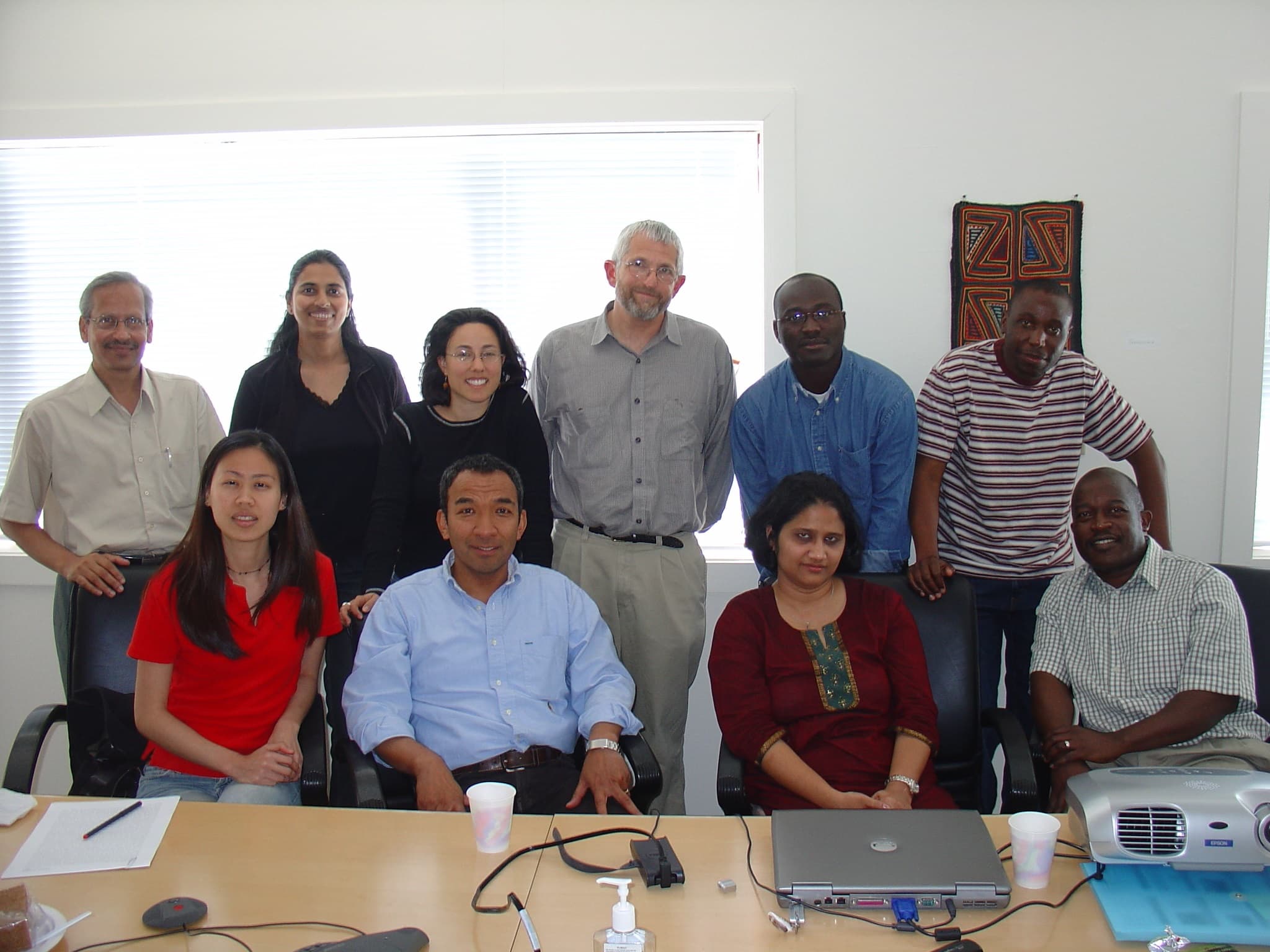
I landed in San Francisco with two suitcases and a mind full of apprehension. I was in my forties, uprooting myself from the familiar soil of Sevagram to become a student again.
My soft landing in this new world — Madhu meeting me at the airport, opening his home for the first ten days — is told in full a few chapters earlier, in “The Sweet Box at the Airport.”
new world was arranged by Madhu.
One night he drove me to Fremont for an experience I had not expected in America. A local cinema was screening an India–Pakistan one-day match. We sat in the dark from 10 at night to 5 in the morning, surrounded by a loud, excited diaspora crowd. When Sachin Tendulkar got out, the hall erupted in celebration. I looked at Madhu, startled. Only then did I realise that half the audience was Pakistani. In that dark theatre in Fremont, thousands of miles from the subcontinent, the rivalry was alive and noisy, and strangely comforting.
***
An Analog Year, and the Arrival of Gmail
It sounds unbelievable now, but I spent my entire Berkeley year without a mobile phone.
I lived like an analog man in a world that was turning digital by the month. My only lifeline to India was a landline provided by the program. Every Sunday, without fail, I called home.
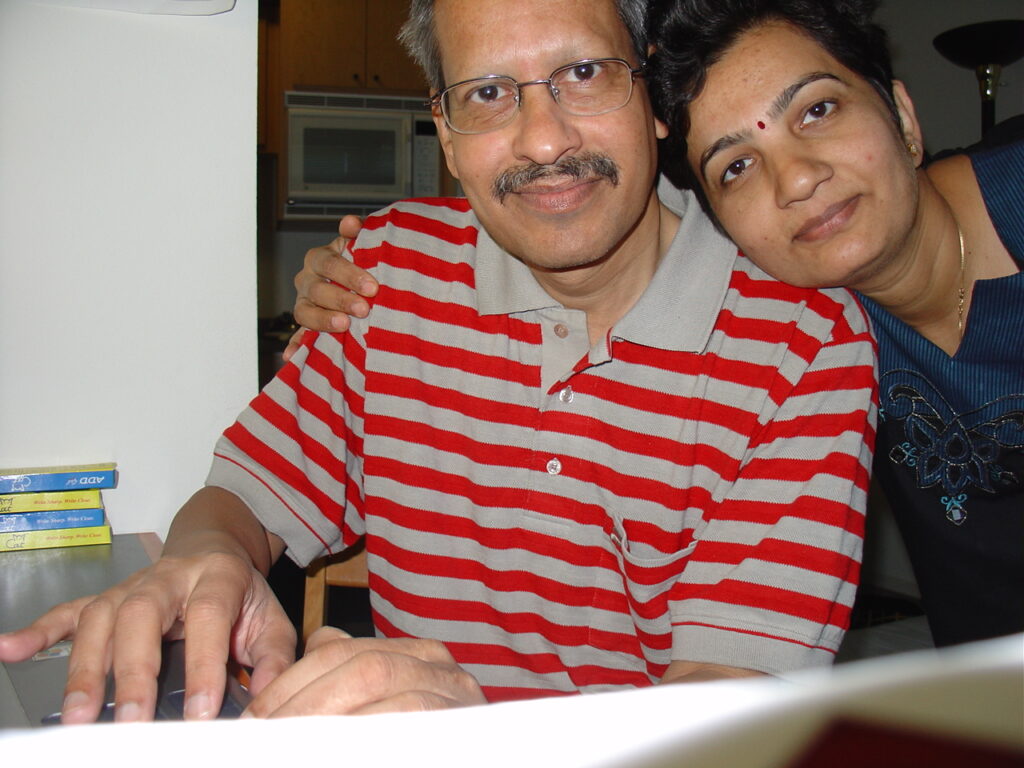
Bhavana was on the other end. While I was learning statistics and epidemiology, she was fighting battles on multiple fronts. She managed the house, her job, and the chaos of the hospital’s newly launched Information System, which was going through painful teething troubles. And she was carrying the biggest worry of all, Ashwini’s admission. She ran from pillar to post collecting documents, filing affidavits, and arranging fees. At one point she even had to liquidate our mutual funds. I listened from thousands of miles away, helpless, and full of gratitude.
And yet, while I did not have a phone, I watched a digital revolution unfold in front of my eyes.
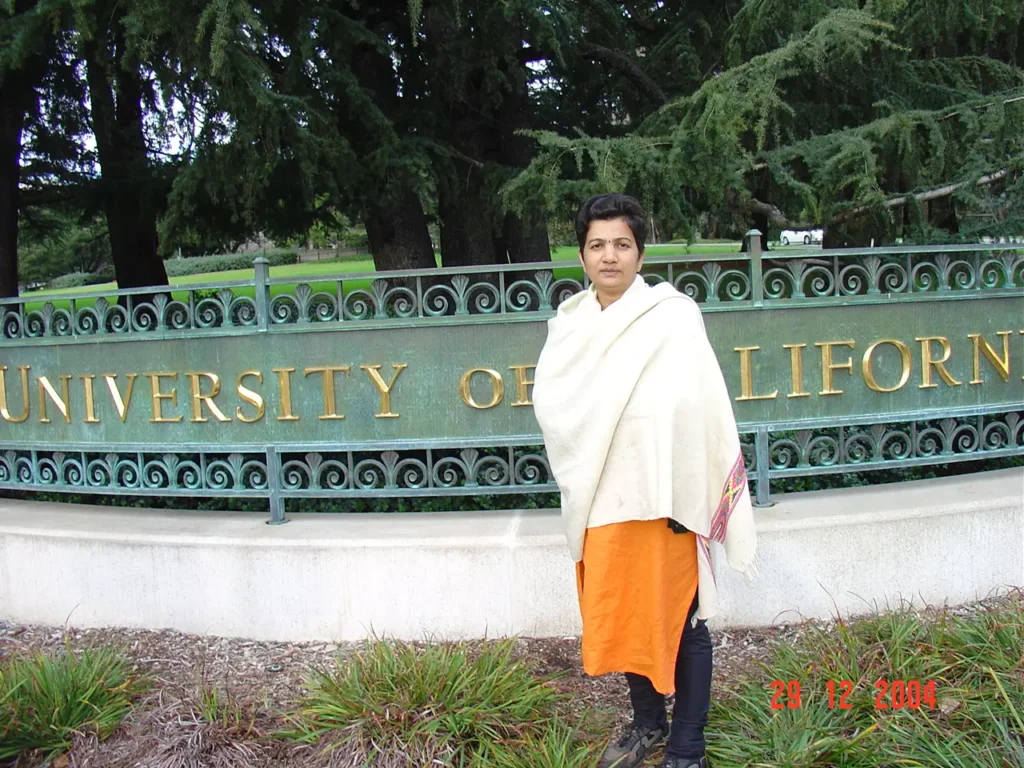
When I arrived in Berkeley, my email was still Rediffmail, the faithful companion of many Indian academics of that era. Then Google announced Gmail. It offered a full 1 GB of storage. Most of us thought it was a joke. Rediff and Hotmail gave you a few megabytes, barely enough for a couple of attachments.
It was not a joke. By early 2005, I had switched. I like to say I went to Berkeley as a Rediff man and returned to Sevagram as a Gmail user. It sounds small now, but it marked a turning point. The world was changing, quietly but decisively.
***
Warren Hall and the Library
My days in Berkeley soon fell into a quiet rhythm. I did not own a car, which in California felt like a mild disability. But Berkeley was kind to walkers. I managed with public transport and my own feet, and I began to enjoy the anonymity of it.
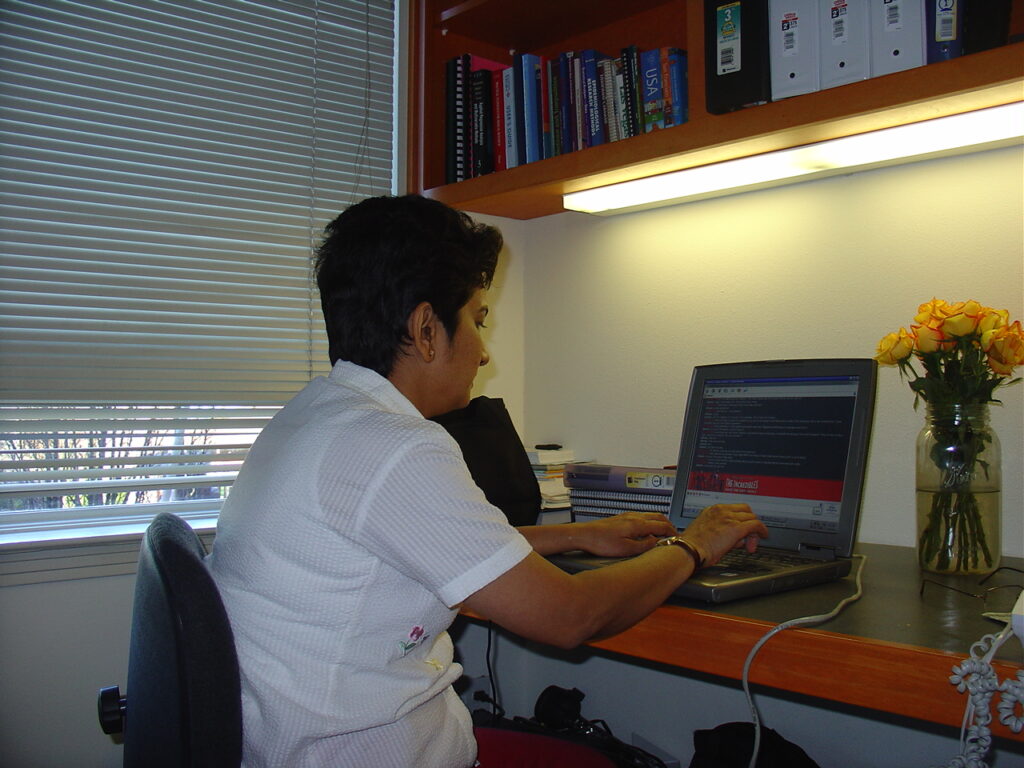
Warren Hall became my work-home. I had a designated table and a computer in the program office. I spent long hours there working on my MPH thesis, a systematic review of a diagnostic test for tuberculosis. The work was slow and demanding, but it later got published, which made those hours feel worthwhile.
When I wasn’t in Warren Hall, I was often at the Berkeley Public Library. I still remember the day I asked the librarian, a little timidly, “How many books am I allowed to borrow at one time?”
She laughed, a big American laugh. “The entire library, if you can carry it!”
That one line captured Berkeley. It was a place of open doors and generous rules. Most people were warm and large-hearted. Once in a while, I met a teacher or two who made me feel small, as if I did not fully belong. The condescension was subtle, but it stung. Thankfully, those moments were rare. The larger experience was welcoming.
***
Encounters with the World
Berkeley was an intellectual crossroads. I sat in lecture halls listening to giants like Amartya Sen, who had recently won the Nobel Prize, speak with dazzling clarity.
But the students were no less impressive. I met an American PhD scholar who was writing his thesis on the last year of Bhagat Singh’s life. He had travelled through India, Pakistan, and Nepal. He had learnt Hindi, Urdu, and Punjabi. He had spent years digging out details about an Indian revolutionary that even I did not know. It was humbling. It reminded me what real scholarship looks like when it is done with patience and respect.
***
Bhavana Comes to Berkeley
The best part of that year came between the two semesters, when Bhavana visited for a month.
Her arrival, the welcome the three of them gave her, and the feast she cooked for them are told in full in “Friends Without Borders.” What that chapter doesn’t cover is the rest of the month: her presence turned my lonely student meals back into proper food, and we spent time together with my teachers, Art, Jack, and Lee — Lee is no longer with us now, but the memory remains warm. Bhavana and I travelled down the coast to Los Angeles and San Diego to visit her relatives.
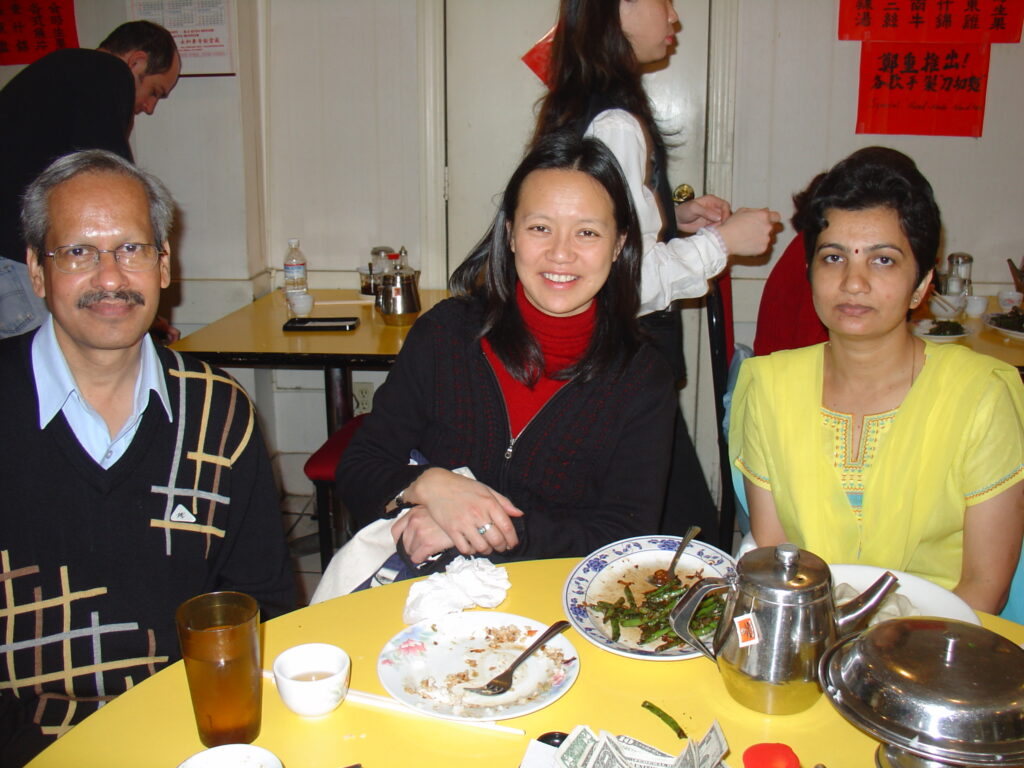
For that one month, the loneliness of being a long-distance student disappeared. The Sunday phone calls were replaced by shared meals, shared walks, and shared sunsets over the Pacific. For a brief while, my two worlds, Sevagram and Berkeley, sat together in the same room.