First Child, First Fever
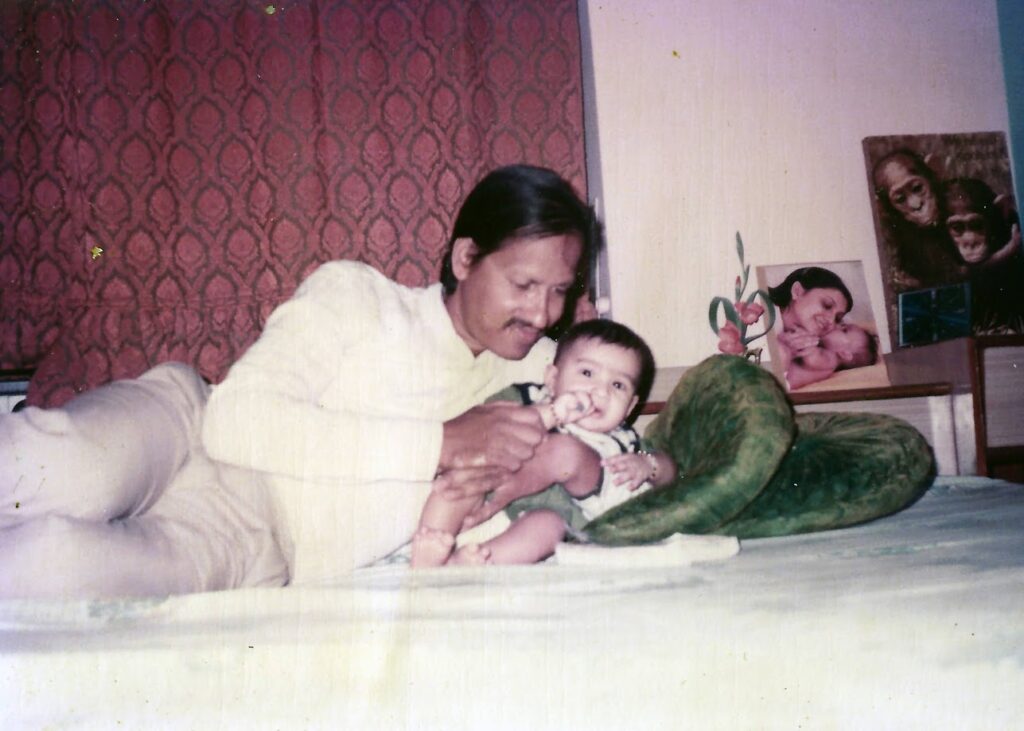
The birth of a first child turns a household into a state of high alert. Every small symptom becomes a headline; every silence feels loaded with meaning. When Bhavana became pregnant with Ashwini, I lived in that peculiar mixture of excitement and nervousness that only first-time parents understand. We were happy, of course, but we were also watchful—listening to every new complaint, reading omens into every pause.
Bhavana conceived while she was preparing for her B.Ed. examinations. The due date landed inconveniently close—barely two weeks before her exams—because life rarely checks our schedules before making its plans. The first trimester passed smoothly, marked only by mild morning sickness which she handled without drama. In those days, there were no routine ultrasounds to reassure us, no colourful scans with neat measurements. We depended entirely on clinical judgement, experience, and the steady confidence of our obstetrician, Dr. Shakuntala Chhabra.
***
Dr. Shakuntala Chhabra
Dr. Chhabra was thirty-seven then, petite and youthful enough to be mistaken for a medical student until she began speaking. She spoke fast, moved briskly, and seemed powered by an internal motor that never needed rest. Her energy filled the ward. She possessed that rare gift of making patients feel that everything was under control—even when it wasn’t.
Over time, she and I had developed a warm professional rapport. She would call me for advice when medical complications appeared in her practice, and I admired the way she handled obstetrics with both confidence and care. She was serious about her work, but never solemn. She brought lightness into a space where families often carried heavy fear.
***
The Long Admission
In her second trimester, Bhavana began having episodes of preterm labour. Dr. Chhabra advised absolute bed rest. That is how Bhavana landed in Private Room No. 3 at Kasturba Hospital, where she stayed for weeks. It was a long admission, the kind that tests patience, stamina, and the ability to find meaning in small routines.
I spent most of my spare time with her. I brought meals, sat beside her bed, tried to look calm, and pretended that everything was normal. It wasn’t. But Bhavana, even then, had a steady core. She accepted the situation without melodrama. She worried, naturally, but she did not collapse.
To keep her spirits up, I turned to the only distraction I had at hand: poetry. I wrote short, rhyming, four-line verses for her every day. The Obstetrics residents began dropping in daily, not just to check the fetal heart rate, but to ask with a smile, “Today’s poem?” It became our small ritual—a private joke that turned a sterile hospital room into a place where life was quietly preparing to begin.
***
The Thirty-Six Hours
As the date approached, the fetal kicks grew less vigorous. Bhavana went “post-date”—a phrase that never brings comfort in obstetrics. She was admitted to the labour room, and Dr. Chhabra was determined—stubbornly, lovingly determined—that Bhavana would deliver vaginally.
Bhavana endured the hours with the quiet endurance she summons when she has no choice. Dr. Chhabra coaxed, encouraged, and used oxytocin, but the uterus refused to cooperate. Labour stretched on. Time began to feel heavy. After thirty-six hours of waiting, Dr. Chhabra finally recommended a caesarean section. She rushed to her quarters to freshen up, preparing for surgery.
Then came one of those moments that remind you how quickly medicine can pivot. When Dr. Chhabra returned, she reassessed Bhavana, looked at the situation afresh, and decided to make one final attempt. The nurses were instructed to prepare for a vaginal delivery. The room shifted gears instantly—quiet urgency, purposeful movements, everyone doing their part without fuss.
Bhavana pushed with everything she had left. A few intense moments later, we heard it—the first cry. A thin, fierce announcement that a new person had entered the world.
Ashwini.
Dr. Chhabra’s face broke into a broad, beaming smile. She looked triumphant, not for herself, but for Bhavana. I stood there overwhelmed—relieved, grateful, slightly stunned—watching the drama of thirty-six hours resolve into a single sound.
3:30 PM, 18 March 1986
Ashwini arrived at 3:30 in the afternoon. When I held him for the first time, I felt the kind of wonder that makes even a doctor feel unqualified. He was small, warm, perfect in the way newborns seem perfect—tiny fingers curled like question marks, toes that looked too delicate for this rough world.
Bhavana was exhausted in the most complete way possible. Yet she could not stop smiling. It was as if the pain had been erased by a single, sudden certainty: he is here. I watched her face and realised that childbirth does something extraordinary. It empties you, and then, in an instant, it fills you.
Those weeks in Private Room No. 3 changed us. They made us older overnight. And they gave us a memory that still feels bright, even after forty years.