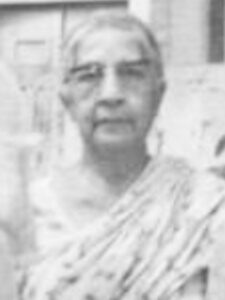
Dr. Prakash Nayar. Professor and head of Obstetrics and Gynaecology MGIMS Sevagram

Dr. Prakash Nayar

Professor & Head, Obstetrics and Gynaecology · Medical Superintendent · MGIMS

MS, DCh, FRCOG
Professor & Head, Obstetrics and Gynaecology (1972–1977)

b. Not recorded, Agra   ·   d. 3 May 1997, Sevagram

Tenure: 1972 – 1977

The children of Guru Nanak Colony had their own name for her. Not Dr. Nayar, not Professor. They called her Laika Aunty — after the dog. The nickname stuck. It was, as those who knew her agreed, exactly right.

Professor & Head, Obstetrics and Gynaecology · Medical Superintendent · Cousin of Dr. Sushila Nayar · Laika Aunty of Guru Nanak Colony

The children of Guru Nanak Colony had their own name for her. Not Dr. P. Nayar, not Professor, not even Aunty in the usual campus fashion. They called her Laika Aunty — after the dog.

Laika was a large, cheerful creature named for the Soviet space dog, and she and Dr. Prakash Nayar were as inseparable as any two beings on the MGIMS campus. You would see them in the evenings, the elegant doctor and her exuberant dog, making their unhurried way through the colony’s lanes — Laika’s tail a constant metronome against the quiet of Sevagram’s evenings. Inside the bungalow, Laika was not a pet so much as a presence, a warm and uncomplicated companion for a woman who had no family of her own in Sevagram. When Laika nudged her hand for a pat, something in Dr. Nayar visibly softened. The children of the campus saw this, understood it, and honoured it in the way children honour things — by naming her after what they saw most clearly.

The nickname stuck. It was, as those who knew her agreed, exactly right.


From Agra to Sevagram

Dr. Prakash Nayar was born in Agra, the youngest of four siblings, a cousin of Dr. Sushila Nayar. Her brother Dev Prakash Nayar was a prominent educationist during Gandhi’s era, and it was under his guidance that she pursued her medical ambitions with the determination that would mark her entire career. She earned her MS, DCh, and FRCOG — qualifications that positioned her among the better-trained obstetricians of her generation.

Her mentor was Dr. Banner, a bond so strong and enduring that when Dr. Nayar retired as Professor and Head of Obstetrics and Gynaecology from Ranchi Medical College in the early 1970s, she brought Dr. Banner with her to Sevagram and cared for her there until she died. It was a characteristic gesture — quiet, loyal, entirely without calculation.

She joined MGIMS in March 1972, succeeding Dr. K. Deshmukh as Professor and Head of Obstetrics and Gynaecology. There is a detail that surfaces only on reflection: years earlier, at Patna Medical College, she had taught Manimala Chaudhary when Manimala was training to become a matron. Neither woman could have known then that their paths would converge in Sevagram, where both would shape a rural medical institution from its earliest years. Life, in the Sevagram story, has a recurring habit of this — the small connections that reveal themselves as consequential only much later.


The Department She Led

Her tenure lasted four years, from 1972 to 1977. She was not, by the conventions of academic medicine, a typical department head. She seldom conducted formal bedside clinics or delivered structured lectures. What she did instead — and did exceptionally well — was deliver babies, perform surgeries with calm skill, and create around herself a department atmosphere of maternal warmth that her staff and students absorbed and carried forward.

Her voice was distinctive — hoarse, low, surprising the first time you heard it emerging from someone of such elegant bearing. But those who knew her learned quickly that the voice and the nature were different registers of the same person: both direct, both genuine, both entirely without pretension.

She served simultaneously as Medical Superintendent of the hospital during this period — a dual responsibility that required administrative capacity alongside clinical work. She managed both without apparent strain, in the fashion of a generation that did not compartmentalise professional roles as rigorously as those that followed.

When her tenure as department head ended, she did not simply step away. She guided the transition carefully — passing the department to Dr. Kasturi Lal, and when Dr. Kasturi Lal left, steering Dr. Chhabra into the role in 1977. A year later, Dr. Mrudula Trivedi arrived and took over as head, a post she would hold until 1984. The continuity of the department through these years owed something to Dr. Prakash Nayar’s attentiveness to succession — the understanding that a department is not an individual but a living thing that must be handed forward thoughtfully.


The House in the Colony

She was an elegant woman — impeccably dressed, refined in manner, with a sense of style that sat quietly but visibly alongside her Gandhian institutional context. The local artist Gajanan Ambulkar was moved to capture her in a watercolour portrait, with Laika beside her. It was the kind of portrait that gets made when a presence is felt as distinctive — something worth recording before it passes.

She entertained warmly. Senior faculty and administrators were frequent guests at her home for evenings of Mahjong, Chinese checkers, and Scrabble — games that created a relaxed, communal atmosphere in an institution whose daily life was demanding and whose social occasions were often formal. She was a convivial host, and her home was one of the places on campus where the community’s more informal bonds were formed and maintained.

In her later years, committed to Sevagram long after her formal tenure had ended, she built a comfortable three-bedroom house near Dr. Sushila Nayar’s residence, directly across from the staff club. It was a statement of belonging — she was not passing through Sevagram but had chosen it as her permanent home. When she died on May 3, 1997, she bequeathed the house to the Kasturba Health Society. It became the P. Nayar Guest House, receiving visitors to the institution she had given her professional and personal life to.


What She Left

Many of the mothers delivered by Dr. Prakash Nayar are grandmothers now. The babies born under her care are doctors themselves, some of them in the very department she once led. This is the particular legacy of a good obstetrician — measured not in papers published or positions held but in lives that began safely, in families that were spared the worst, in the specific memory of a calm and competent presence at the most vulnerable moment.

She had no family of her own. Laika was her world, and the campus was her community. The children who grew up in Guru Nanak Colony and called her Laika Aunty understood, without being able to articulate it, that she had given everything she had to the place and the people around her — and that this was enough, and perhaps more than enough, to constitute a full life.

The watercolour portrait is somewhere in Sevagram. The guest house carries her name. And in the memory of every mother who delivered under her hands, Dr. Prakash Nayar — Laika Aunty — lives on.

Dr. Prakash Nayar

Professor & Head, Obstetrics and Gynaecology · Medical Superintendent · Cousin of Dr. Sushila Nayar · Laika Aunty of Guru Nanak Colony

The children of Guru Nanak Colony had their own name for her. Not Dr. P. Nayar, not Professor, not even Aunty in the usual campus fashion. They called her Laika Aunty — after the dog.

Laika was a large, cheerful creature named for the Soviet space dog, and she and Dr. Prakash Nayar were as inseparable as any two beings on the MGIMS campus. You would see them in the evenings, the elegant doctor and her exuberant dog, making their unhurried way through the colony’s lanes — Laika’s tail a constant metronome against the quiet of Sevagram’s evenings. Inside the bungalow, Laika was not a pet so much as a presence, a warm and uncomplicated companion for a woman who had no family of her own in Sevagram. When Laika nudged her hand for a pat, something in Dr. Nayar visibly softened. The children of the campus saw this, understood it, and honoured it in the way children honour things — by naming her after what they saw most clearly.

The nickname stuck. It was, as those who knew her agreed, exactly right.


From Agra to Sevagram

Dr. Prakash Nayar was born in Agra, the youngest of four siblings, a cousin of Dr. Sushila Nayar. Her brother Dev Prakash Nayar was a prominent educationist during Gandhi’s era, and it was under his guidance that she pursued her medical ambitions with the determination that would mark her entire career. She earned her MS, DCh, and FRCOG — qualifications that positioned her among the better-trained obstetricians of her generation.

Her mentor was Dr. Banner, a bond so strong and enduring that when Dr. Nayar retired as Professor and Head of Obstetrics and Gynaecology from Ranchi Medical College in the early 1970s, she brought Dr. Banner with her to Sevagram and cared for her there until she died. It was a characteristic gesture — quiet, loyal, entirely without calculation.

She joined MGIMS in March 1972, succeeding Dr. K. Deshmukh as Professor and Head of Obstetrics and Gynaecology. There is a detail that surfaces only on reflection: years earlier, at Patna Medical College, she had taught Manimala Chaudhary when Manimala was training to become a matron. Neither woman could have known then that their paths would converge in Sevagram, where both would shape a rural medical institution from its earliest years. Life, in the Sevagram story, has a recurring habit of this — the small connections that reveal themselves as consequential only much later.


The Department She Led

Her tenure lasted four years, from 1972 to 1977. She was not, by the conventions of academic medicine, a typical department head. She seldom conducted formal bedside clinics or delivered structured lectures. What she did instead — and did exceptionally well — was deliver babies, perform surgeries with calm skill, and create around herself a department atmosphere of maternal warmth that her staff and students absorbed and carried forward.

Her voice was distinctive — hoarse, low, surprising the first time you heard it emerging from someone of such elegant bearing. But those who knew her learned quickly that the voice and the nature were different registers of the same person: both direct, both genuine, both entirely without pretension.

She served simultaneously as Medical Superintendent of the hospital during this period — a dual responsibility that required administrative capacity alongside clinical work. She managed both without apparent strain, in the fashion of a generation that did not compartmentalise professional roles as rigorously as those that followed.

When her tenure as department head ended, she did not simply step away. She guided the transition carefully — passing the department to Dr. Kasturi Lal, and when Dr. Kasturi Lal left, steering Dr. Chhabra into the role in 1977. A year later, Dr. Mrudula Trivedi arrived and took over as head, a post she would hold until 1984. The continuity of the department through these years owed something to Dr. Prakash Nayar’s attentiveness to succession — the understanding that a department is not an individual but a living thing that must be handed forward thoughtfully.


The House in the Colony

She was an elegant woman — impeccably dressed, refined in manner, with a sense of style that sat quietly but visibly alongside her Gandhian institutional context. The local artist Gajanan Ambulkar was moved to capture her in a watercolour portrait, with Laika beside her. It was the kind of portrait that gets made when a presence is felt as distinctive — something worth recording before it passes.

She entertained warmly. Senior faculty and administrators were frequent guests at her home for evenings of Mahjong, Chinese checkers, and Scrabble — games that created a relaxed, communal atmosphere in an institution whose daily life was demanding and whose social occasions were often formal. She was a convivial host, and her home was one of the places on campus where the community’s more informal bonds were formed and maintained.

In her later years, committed to Sevagram long after her formal tenure had ended, she built a comfortable three-bedroom house near Dr. Sushila Nayar’s residence, directly across from the staff club. It was a statement of belonging — she was not passing through Sevagram but had chosen it as her permanent home. When she died on May 3, 1997, she bequeathed the house to the Kasturba Health Society. It became the P. Nayar Guest House, receiving visitors to the institution she had given her professional and personal life to.


What She Left

Many of the mothers delivered by Dr. Prakash Nayar are grandmothers now. The babies born under her care are doctors themselves, some of them in the very department she once led. This is the particular legacy of a good obstetrician — measured not in papers published or positions held but in lives that began safely, in families that were spared the worst, in the specific memory of a calm and competent presence at the most vulnerable moment.

She had no family of her own. Laika was her world, and the campus was her community. The children who grew up in Guru Nanak Colony and called her Laika Aunty understood, without being able to articulate it, that she had given everything she had to the place and the people around her — and that this was enough, and perhaps more than enough, to constitute a full life.

The watercolour portrait is somewhere in Sevagram. The guest house carries her name. And in the memory of every mother who delivered under her hands, Dr. Prakash Nayar — Laika Aunty — lives on.