Leaving the dust and heat of Sevagram for the cool, mist-laden hills of Berkeley felt less like a journey across geography and more like a leap across dimensions. I had arrived at the University of California, Berkeley, to pursue a Master of Public Health in Epidemiology. It was time to pause — to step back from the bedside and view medicine through a completely different lens.
At Sevagram, my world was defined by the individual patient in front of me: their pain, their fever, their immediate crisis. At the School of Public Health, the patient was no longer a person. It was a population. I swapped my stethoscope for Stata, and clinical intuition for confidence intervals.
The shift was jarring, but exhilarating. Sitting in lecture halls alongside brilliant minds from across the globe, I learned that good intentions are not enough. Medicine needs evidence. We needed to understand denominators as much as numerators. This was my initiation into the rigorous world of Evidence-Based Medicine — a philosophy that would later become the bedrock of my teaching and practice back home in Sevagram.
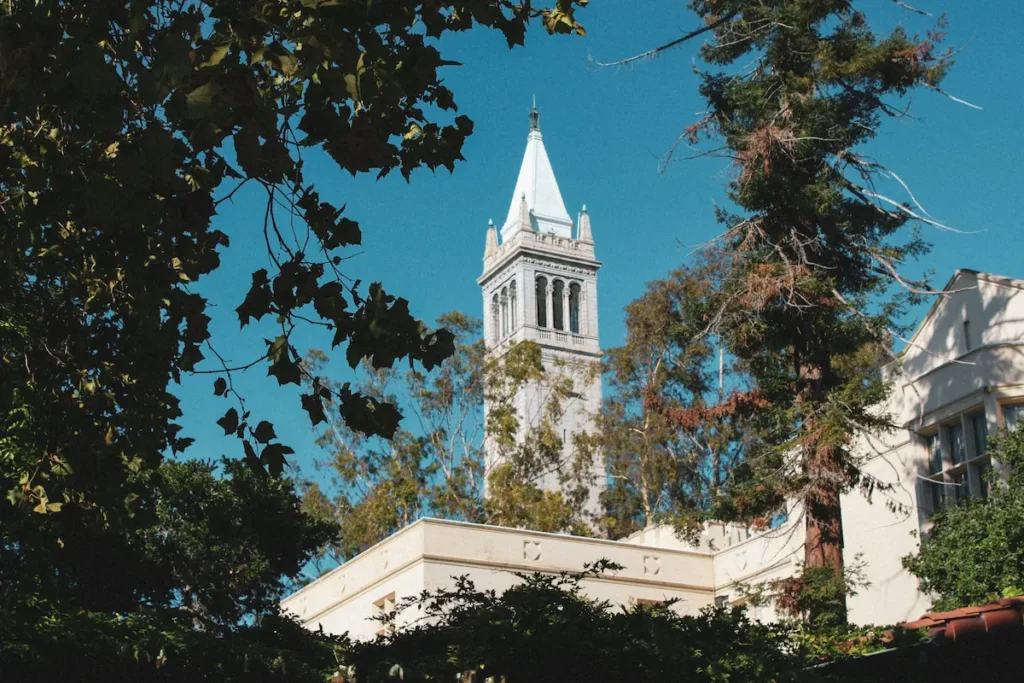
Life in Berkeley was a world away from the austere simplicity of Sevagram. The intellectual freedom was intoxicating. I spent hours in the library, absorbing not just epidemiology but the restless energy of the campus itself. Yet even as I sat in coffee shops or climbed the steep road to the university, my mind kept slipping back home.
I had left Bhavana to battle the teething troubles of our new Hospital Information System at Sevagram. I had left Ashwini, who had appeared for the MGIMS entrance examination and was still uncertain of his future. And I had left Amrita at Lloyd’s School in Wardha, halfway through her tenth standard. A thought returned again and again in the quiet after a long day of classes: was I building my career at the cost of my children’s peace.
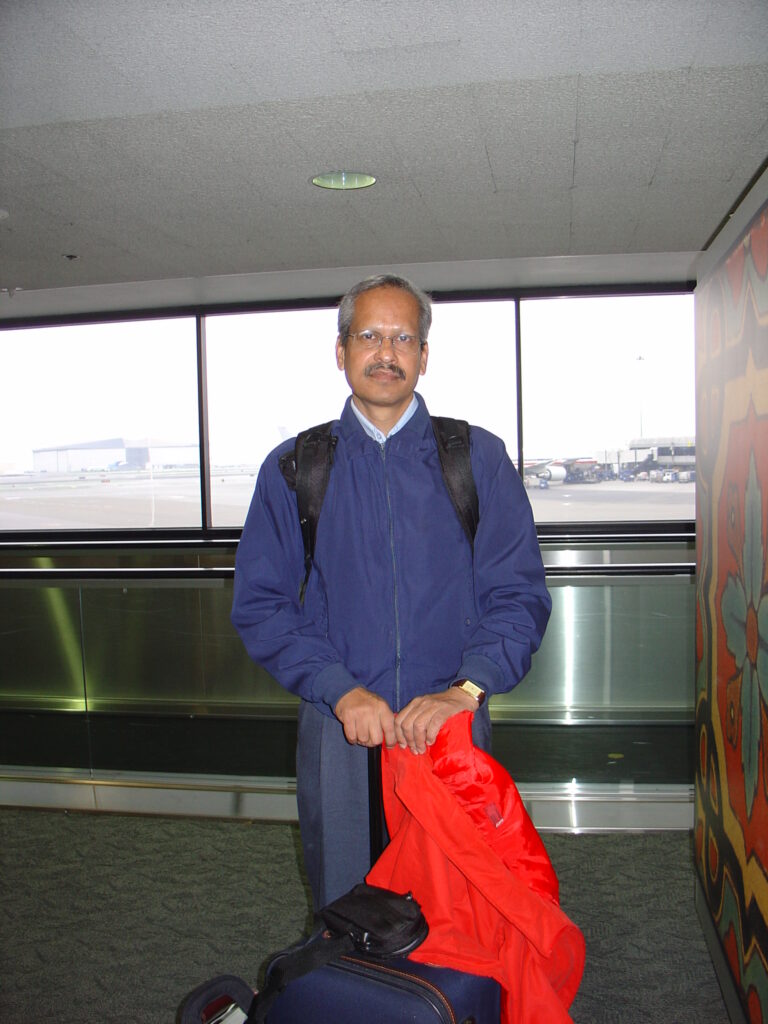
In September, barely a month after I had landed, a message arrived from Dr Ramji Singh, my friend and colleague back home. Ashwini was in — a first-year student at MGIMS. I stared at the screen, hardly trusting what I read. A weight I had not even admitted to carrying lifted at once. Amrita, too, was thriving, holding her place among the top of her class. And Bhavana, as she always did, held both home and hospital together with that quiet competence that asks for no applause.
With that reassurance, I could finally breathe. I was not in California merely for a degree. I was gathering tools. Every lesson in biostatistics and study design would eventually have to survive the harsh realities of rural India and prove its worth in the wards of Kasturba Hospital.
That year was not simply about earning a degree. I came to understand that while a physician treats an illness, an epidemiologist tries to understand the why and the how behind it. The questions changed. So did the scale. I returned to India not just with a diploma, but with a new pair of eyes — ready, at last, to marry the art of healing with the science of certainty.