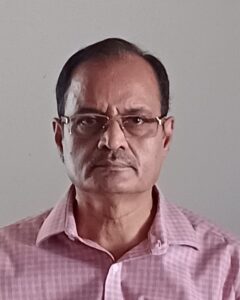
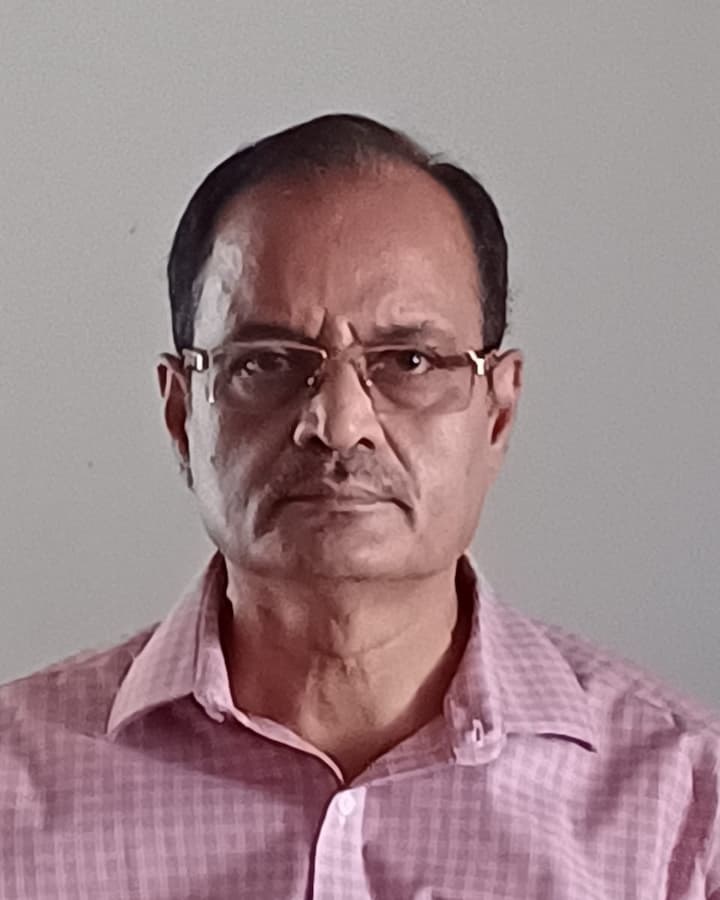
Portrait of Dr. Sanjay Kumar Diwan, former Associate Professor of Medicine at MGIMS Sevagram.

Dr. Sanjay Diwan

Associate Professor of Medicine · MGIMS

MBBS, Gandhi Medical College Bhopal (1984)
MD General Medicine, Gandhi Medical College Bhopal (1988)

b. 11 November 1962, Megha, Raipur district, Madhya Pradesh   ·   d. -

Tenure: 1989–1995

Choudhary did not offer a lecture. He did not weigh the strategic advantages of MGIMS against its alternatives. He simply gave the young doctor two names... That was all.

Two Names

After completing his MD in August 1988, Sanjay Diwan noticed a job advertisement for MGIMS Sevagram circulating through the Department of Medicine at Gandhi Medical College in Bhopal. He was intrigued, but uncertain. Before acting, he sought the counsel of Shri Banwarilal Choudhary—a man deeply rooted in the Gandhian tradition, his father’s trusted mentor, and someone who had spent considerable time at the Gandhi Ashram.

Choudhary did not offer a lecture. He did not weigh the strategic advantages of MGIMS against its alternatives. Instead, he simply gave the young doctor two names: Shri Kanakmalji Gandhi of Sevagram, and Dr. Ulhas Jajoo. That was all.

The names were enough. Diwan applied. While his friends anxiously urged him to take a secure, highly predictable Public Service Commission placement he had already been offered, he waited out the MGIMS interview period in a temporary post. He officially joined the institution on November 3, 1989. Looking back across the decades, he calls ignoring the safe path the best decision of his life.


The Habit of Precision

Born on November 11, 1962, in Megha, a small town in Madhya Pradesh, he was the fourth of six children. His father, Vinay Kumar Diwan, was a Joint Director of Agriculture, a government post that kept the family moving regularly across the state. Diwan attended modest but sufficient schools in Dhar and Itarsi before arriving at Gandhi Medical College in Bhopal with the 1979 batch.

He completed his MBBS in 1984 and his MD in Medicine in 1988. He wrote his thesis on the comparative clinical efficacy of Flurbiprofen and Naproxen in rheumatoid arthritis. The subject was highly specific—not the kind of sweeping public health question that makes global headlines, but the kind of careful, granular comparative work that teaches a young doctor exactly how to weigh evidence. It was a habit of precision he would carry directly into the hospital wards.


Unit II and the Bedside Logic

At MGIMS, he was assigned to Dr. A.P. Jain’s Unit II. The education that followed was entirely different from what he had encountered in Bhopal. In Sevagram, medicine meant thinking a problem through to its absolute end before reaching for an investigation. It meant meticulously organizing the history, working the physical examination, carefully constructing a differential, and arriving at a diagnosis through strict logic rather than clinical reflex.

The bedside was the arena where the teaching happened, and Dr. Jain ran it with a sharp precision that left absolutely no room for the comfortable vagueness that busy wards sometimes permit.

The residents who rotated through during those years—Ashwini Kumar, Kalpana, Chandra, Sanjeev Sharma, Ashish Bhalla, Firoz Sogiawala, Manisha Tanjea, Renuka Lamba, Prabhat Goel, Skand Trivedi—remained permanently etched in Diwan’s memory. In a small irony typical of the medical world, Dr. Trivedi is now his colleague at Bansal Hospital in Bhopal. Sevagram’s alumni have a beautiful habit of reappearing in each other’s lives at unexpected intervals.

During his tenure, he was promoted to Reader in November 1993. Six months before ultimately leaving Sevagram, he married Niharika, a dietician at Kasturba Hospital from Nagpur. Their lives and careers had been shaped by the exact same institution before they had ever spoken to one another—perhaps the most Sevagram kind of beginning possible.


The Price of Integrity

He spent sixteen years at Jawaharlal Nehru Medical College in Sawangi, rising to Professor of Medicine by November 1999. What he encountered there, however, and what eventually made the institution untenable for him, was the familiar, suffocating pressure of a for-profit medical school. He found himself surrounded by wealthy students and administrators whose primary priority was keeping those students’ families satisfied, rather than ensuring they had actually learned medicine.

The mechanism was straightforward and, tragically, not unusual in Indian private medical education: students who had not performed adequately were passed anyway. Teachers who objected were deemed inconvenient. Dr. Diwan had not entered medicine to sign off on failures. After sixteen years of trying to teach properly within a structure that fundamentally did not want him to, he walked away in 2016.

A second attempt at the Mahaveer Institute of Medical Sciences in Bhopal—owned by a childhood friend who had promised a different kind of ethos—revealed the exact same pattern: unfinished buildings, inadequate supplies, and a management far more interested in extracting fees than educating students. He did not stay long. By 2019, he had moved to Bansal Hospital, where the work was purely clinical and consultative, and where the heavy pressures of institutional compromise were finally replaced by the straightforward, honest demands of patient care.


Atmosphere Rather Than Speech

At Sevagram, he had always been a man of few words. This did not stem from reticence or cold distance, but from a profound disposition that preferred deep attention over unnecessary speech. In the wards during the long, anxious nights before examinations, or in the frantic corridors between medical crises, he was the kind of presence that residents actively sought out. He was steady, unhurried, and always prepared to listen without rushing the speaker toward a conclusion.

Those who trained under him in Sevagram speak of what he offered not merely as instruction, but as atmosphere. He had a way of approaching a clinical problem that communicated, without a single announcement, that there was absolutely no need to panic—that the patient in front of them had not fundamentally changed since yesterday, and that a clear head was still the most useful instrument in the room. This is not a quality that can be quantified on a curriculum vitae. But for a terrified resident standing in the ward at two in the morning, it was the only quality that mattered.


The Benchmark

His son Amartya, born in 1998, studied computer science. His daughter Tanvi, born in 2000, completed her MBBS and interned in Ujjain. They were born into the institutional life that Sevagram had started, even if Sawangi was where they physically arrived.

Dr. Diwan was at Sevagram for just over two thousand days—five and a half years, a brief tenure by the standards of a department whose other pillars stayed for decades. He came because a wise man gave him two names and no further explanation, because the two names were sufficient, and because something about the campus, once seen, proved far more compelling than the safe, stable salary his well-wishers had urged him to take.

He eventually left because the next stage of his career required it, not because Sevagram had given him any reason to go. He has always been clear about the difference. The sixteen years that followed, and the two painful departures from institutions that refused to meet his ethical standards, were the long consequence of having started his career in a place that showed him what medical education could actually be. He had simply found, thereafter, that most other institutions were not it.


Dr. Sanjay Diwan

Two Names

After completing his MD in August 1988, Sanjay Diwan noticed a job advertisement for MGIMS Sevagram circulating through the Department of Medicine at Gandhi Medical College in Bhopal. He was intrigued, but uncertain. Before acting, he sought the counsel of Shri Banwarilal Choudhary—a man deeply rooted in the Gandhian tradition, his father’s trusted mentor, and someone who had spent considerable time at the Gandhi Ashram.

Choudhary did not offer a lecture. He did not weigh the strategic advantages of MGIMS against its alternatives. Instead, he simply gave the young doctor two names: Shri Kanakmalji Gandhi of Sevagram, and Dr. Ulhas Jajoo. That was all.

The names were enough. Diwan applied. While his friends anxiously urged him to take a secure, highly predictable Public Service Commission placement he had already been offered, he waited out the MGIMS interview period in a temporary post. He officially joined the institution on November 3, 1989. Looking back across the decades, he calls ignoring the safe path the best decision of his life.


The Habit of Precision

Born on November 11, 1962, in Megha, a small town in Madhya Pradesh, he was the fourth of six children. His father, Vinay Kumar Diwan, was a Joint Director of Agriculture, a government post that kept the family moving regularly across the state. Diwan attended modest but sufficient schools in Dhar and Itarsi before arriving at Gandhi Medical College in Bhopal with the 1979 batch.

He completed his MBBS in 1984 and his MD in Medicine in 1988. He wrote his thesis on the comparative clinical efficacy of Flurbiprofen and Naproxen in rheumatoid arthritis. The subject was highly specific—not the kind of sweeping public health question that makes global headlines, but the kind of careful, granular comparative work that teaches a young doctor exactly how to weigh evidence. It was a habit of precision he would carry directly into the hospital wards.


Unit II and the Bedside Logic

At MGIMS, he was assigned to Dr. A.P. Jain’s Unit II. The education that followed was entirely different from what he had encountered in Bhopal. In Sevagram, medicine meant thinking a problem through to its absolute end before reaching for an investigation. It meant meticulously organizing the history, working the physical examination, carefully constructing a differential, and arriving at a diagnosis through strict logic rather than clinical reflex.

The bedside was the arena where the teaching happened, and Dr. Jain ran it with a sharp precision that left absolutely no room for the comfortable vagueness that busy wards sometimes permit.

The residents who rotated through during those years—Ashwini Kumar, Kalpana, Chandra, Sanjeev Sharma, Ashish Bhalla, Firoz Sogiawala, Manisha Tanjea, Renuka Lamba, Prabhat Goel, Skand Trivedi—remained permanently etched in Diwan’s memory. In a small irony typical of the medical world, Dr. Trivedi is now his colleague at Bansal Hospital in Bhopal. Sevagram’s alumni have a beautiful habit of reappearing in each other’s lives at unexpected intervals.

During his tenure, he was promoted to Reader in November 1993. Six months before ultimately leaving Sevagram, he married Niharika, a dietician at Kasturba Hospital from Nagpur. Their lives and careers had been shaped by the exact same institution before they had ever spoken to one another—perhaps the most Sevagram kind of beginning possible.


The Price of Integrity

He spent sixteen years at Jawaharlal Nehru Medical College in Sawangi, rising to Professor of Medicine by November 1999. What he encountered there, however, and what eventually made the institution untenable for him, was the familiar, suffocating pressure of a for-profit medical school. He found himself surrounded by wealthy students and administrators whose primary priority was keeping those students’ families satisfied, rather than ensuring they had actually learned medicine.

The mechanism was straightforward and, tragically, not unusual in Indian private medical education: students who had not performed adequately were passed anyway. Teachers who objected were deemed inconvenient. Dr. Diwan had not entered medicine to sign off on failures. After sixteen years of trying to teach properly within a structure that fundamentally did not want him to, he walked away in 2016.

A second attempt at the Mahaveer Institute of Medical Sciences in Bhopal—owned by a childhood friend who had promised a different kind of ethos—revealed the exact same pattern: unfinished buildings, inadequate supplies, and a management far more interested in extracting fees than educating students. He did not stay long. By 2019, he had moved to Bansal Hospital, where the work was purely clinical and consultative, and where the heavy pressures of institutional compromise were finally replaced by the straightforward, honest demands of patient care.


Atmosphere Rather Than Speech

At Sevagram, he had always been a man of few words. This did not stem from reticence or cold distance, but from a profound disposition that preferred deep attention over unnecessary speech. In the wards during the long, anxious nights before examinations, or in the frantic corridors between medical crises, he was the kind of presence that residents actively sought out. He was steady, unhurried, and always prepared to listen without rushing the speaker toward a conclusion.

Those who trained under him in Sevagram speak of what he offered not merely as instruction, but as atmosphere. He had a way of approaching a clinical problem that communicated, without a single announcement, that there was absolutely no need to panic—that the patient in front of them had not fundamentally changed since yesterday, and that a clear head was still the most useful instrument in the room. This is not a quality that can be quantified on a curriculum vitae. But for a terrified resident standing in the ward at two in the morning, it was the only quality that mattered.


The Benchmark

His son Amartya, born in 1998, studied computer science. His daughter Tanvi, born in 2000, completed her MBBS and interned in Ujjain. They were born into the institutional life that Sevagram had started, even if Sawangi was where they physically arrived.

Dr. Diwan was at Sevagram for just over two thousand days—five and a half years, a brief tenure by the standards of a department whose other pillars stayed for decades. He came because a wise man gave him two names and no further explanation, because the two names were sufficient, and because something about the campus, once seen, proved far more compelling than the safe, stable salary his well-wishers had urged him to take.

He eventually left because the next stage of his career required it, not because Sevagram had given him any reason to go. He has always been clear about the difference. The sixteen years that followed, and the two painful departures from institutions that refused to meet his ethical standards, were the long consequence of having started his career in a place that showed him what medical education could actually be. He had simply found, thereafter, that most other institutions were not it.